
Adopting a sustainable lifestyle is no longer just a trend for the environmentally conscious; it has become a vital responsibility for every household, including those with beloved animals. As we become more aware of our carbon footprint, many people are surprised to realize that our pets also contribute significantly to environmental degradation through waste and consumption. From the massive amounts of plastic packaging used in the pet food industry to the ecological impact of traditional cat litter, the petcare sector has a substantial footprint.
However, transitioning to an eco-friendly approach doesn’t mean compromising the health or happiness of our furry companions. By making intentional choices about the products we buy and the habits we form, we can drastically reduce our collective impact on the planet. This journey toward sustainability involves rethinking everything from nutritional sources to the materials used in toys and bedding. Modern petowners have a unique opportunity to lead the charge in creating a greener future while providing a healthier environment for their pets to thrive.
This comprehensive guide will explore practical, high-impact strategies that allow you to align your love for animals with your commitment to the earth. We will dive deep into ethical sourcing, waste management, and the small daily changes that lead to significant long-term benefits for the global ecosystem.
Ethical Nutrition and Eco-Friendly Food Choices
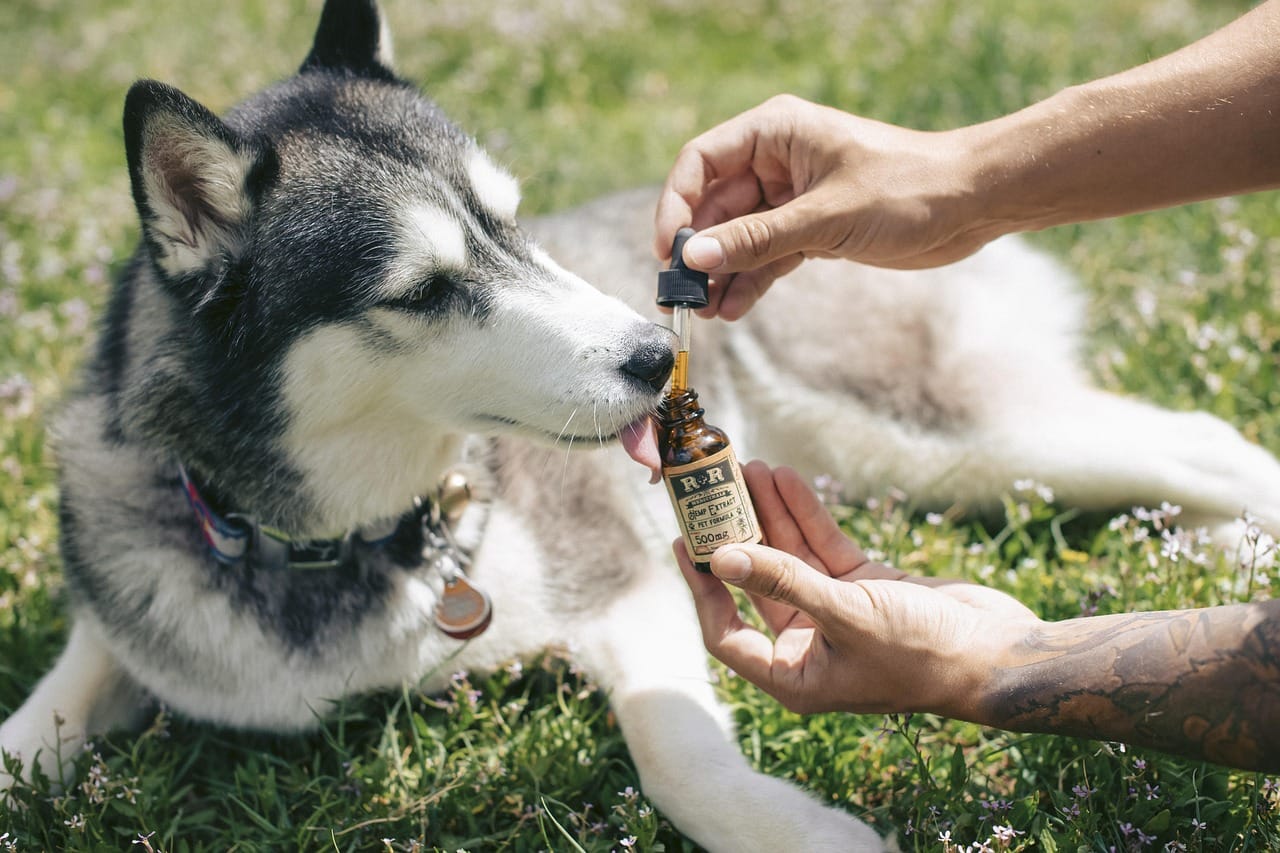
The food your pet eats every day represents their largest environmental impact due to the resources required for livestock farming and processing. Choosing sustainable nutrition is the most effective way to lower your pet’s ecological shadow.
A. Prioritizing Sustainably Sourced Proteins
Many premium brands now use “by-products” which are actually highly nutritious organ meats that might otherwise go to waste. You can also look for brands that use wild-caught fish certified by organizations that prevent overfishing in our oceans.
B. Exploring Alternative Protein Sources
Insect-based proteins, such as black soldier fly larvae, are becoming a revolutionary way to feed pets without the massive water and land requirements of beef. These proteins are hypoallergenic and provide all the essential amino acids your dog or cat needs for muscle growth.
C. Buying in Bulk to Reduce Packaging
Purchasing larger bags of food significantly reduces the amount of multi-layer plastic film that ends up in landfills. Many eco-conscious petowners are now switching to subscription services that use compostable or recyclable paper-based packaging.
Conscious Waste Management Solutions
Managing pet waste is a daily task that can have a surprisingly high environmental cost if not handled with care. Traditional methods often involve single-use plastics and non-biodegradable materials that persist in the environment for centuries.
A. Switching to Biodegradable Waste Bags
Instead of standard plastic bags, look for certified compostable options made from cornstarch or vegetable oils. These bags break down naturally in industrial composting facilities, preventing the accumulation of microplastics in the soil.
B. Sustainable Cat Litter Alternatives
Traditional clay-based litter is often strip-mined, a process that is devastating to local ecosystems and non-renewable. Switching to litter made from recycled paper, wood shavings, or crushed walnut shells is a much greener alternative.
C. The Art of Pet Waste Composting
For those with a garden, composting dog waste in a dedicated, separate bin can turn a pollutant into a useful soil conditioner for ornamental plants. It is important to never use pet compost on edible crops to ensure safety and hygiene.
Choosing Durable and Natural Materials
The “fast fashion” trend has unfortunately moved into the pet industry, with cheap toys and beds flooding the market. Investing in high-quality, natural materials is better for your wallet and the planet.
A. Hemp and Organic Cotton Accessories
Collars and leashes made from hemp are incredibly durable, antimicrobial, and require very little water to grow compared to traditional cotton. These materials are also much softer on your pet’s skin and completely biodegradable at the end of their life.
B. Natural Rubber and Recycled Plastic Toys
Avoid toys made from cheap PVC or phthalate-heavy plastics that can leach chemicals into your pet’s mouth. Opt for solid natural rubber or toys stuffed with fibers made from recycled ocean plastic bottles.
C. Wool and Bamboo Bedding Options
Bamboo grows incredibly fast without the need for pesticides, making it an ideal material for pet furniture and bedding. Wool is a natural insulator that keeps pets warm in winter and cool in summer while being fully renewable.
Green Grooming and Non-Toxic Care
What we put on our pets’ skin eventually ends up in our water systems through the drain. Using natural, non-toxic grooming products protects your pet’s health and the local environment.
A. Solid Shampoo Bars vs. Plastic Bottles
Switching to a solid shampoo bar eliminates the need for plastic packaging and often lasts much longer than liquid versions. These bars are typically made with essential oils and plant-based cleansers that are gentle on sensitive skin.
B. Natural Flea and Tick Preventatives
While medical intervention is sometimes necessary, many minor pest issues can be managed with cedar oil or neem oil. Using these natural repellents reduces the chemical load in your home and on your pet’s body.
C. Eco-Friendly Brushes and Tools
Instead of plastic brushes, choose those with wooden handles and natural bristles or stainless steel pins. These tools are built to last a lifetime, reducing the frequency with which you need to replace them.
Energy Efficiency in Petcare Technology
As “smart” pet devices become more common, we must consider the energy consumption of these gadgets. From automatic feeders to heated beds, efficiency should be a top priority.
A. Solar-Powered Outdoor Gadgets
If you use automated water fountains or lights in your yard for your pets, consider solar-powered versions. These devices harness the sun’s energy, reducing your electricity bill and your reliance on the power grid.
B. Timed Feeding and Lighting Systems
Using smart timers ensures that energy-intensive devices like aquarium heaters or terrarium lights are only on when absolutely necessary. This mimicry of natural light cycles is also better for the biological health of your exotic pets.
C. Investing in Energy-Star Rated Appliances
When buying large items like specialized pet refrigerators or powerful vacuums for pet hair, always check the energy rating. High-efficiency motors save significant amounts of power over the lifespan of the machine.
Sustainable Home and Yard Design
Creating a pet-friendly environment often starts with the landscaping of your yard and the layout of your home. A “green” home is one where nature and pets coexist harmoniously.
A. Xeriscaping for Pet-Friendly Yards
Drought-resistant landscaping reduces the need for constant watering and eliminates the use of chemical fertilizers. Choosing sturdy, native plants ensures that your dog has a safe place to play without damaging the local flora.
B. Natural Pest Control in the Garden
Instead of using toxic pellets to kill slugs or snails, use pet-safe barriers like copper tape or crushed eggshells. This prevents your pet from accidentally ingesting poisons while keeping your garden healthy.
C. Creating Indoor “Catios” with Reclaimed Wood
Building an outdoor enclosure for your cat protects local bird populations while providing your pet with fresh air. Using reclaimed or FSC-certified wood for these structures ensures you aren’t contributing to deforestation.
The Impact of Local Sourcing and Small Business
Supporting local pet boutiques and independent manufacturers reduces the carbon emissions associated with long-distance shipping. It also helps build a more resilient local economy.
A. Visiting Local Farmers Markets for Treats
Many local vendors sell dehydrated treats made from locally sourced meats and vegetables. This eliminates the “food miles” associated with big-box store brands and ensures the ingredients are fresh.
B. Custom Handmade Gear from Local Artisans
Instead of buying mass-produced accessories, commission a local maker to create a custom bed or collar. These items are often made with higher craftsmanship and can be repaired rather than replaced.
C. Reducing Last-Mile Delivery Emissions
If you do shop online, try to consolidate your orders into a single monthly shipment. This reduces the number of trips delivery trucks take to your house, significantly lowering your indirect carbon footprint.
Education and Community Advocacy
Sustainability is a collective effort, and sharing your journey with other petowners can amplify your impact. Being a “green” advocate in your local pet community can lead to systemic change.
A. Organizing Community Park Clean-Ups
Lead by example by picking up extra litter during your daily walks and encouraging others to do the same. Many communities have seen a massive improvement in local parks through organized “Paws and Pick-up” events.
B. Donating to Shelter Sustainability Projects
Many animal shelters struggle with high energy costs and waste management; consider donating toward solar panels or high-efficiency laundry machines. Your contribution can help a non-profit operate more sustainably for years to come.
C. Sharing Knowledge on Social Platforms
Use your voice to highlight eco-friendly brands and share your “DIY” sustainable pet projects. Information is the most powerful tool we have for changing consumer habits on a large scale.
Holistic Health and Preventative Care
A healthy pet is a sustainable pet because they require fewer medical interventions and less pharmaceutical waste over their lifetime. Focusing on wellness prevents the ecological cost of intensive veterinary care.
A. Weight Management for Longevity
Maintaining a healthy weight reduces the risk of chronic diseases like diabetes and arthritis. A fit pet requires less food and less medication, lowering their overall lifetime consumption of resources.
B. Regular Exercise in Natural Settings
Taking your pet for hikes or swims in clean, natural environments boosts their immune system and reduces stress. This holistic approach to health reduces the need for synthetic supplements and stress-relief products.
B. Mental Enrichment Through Low-Impact Play
Training and “nose work” are incredibly stimulating for pets but require no plastic toys or electricity. These activities strengthen the bond between you and your pet while being entirely zero-waste.
Planning for a Sustainable Legacy
Even the end-of-life choices we make for our pets can be handled with an eye toward environmental preservation. Ethical aftercare is a final way to honor your pet’s connection to the earth.
A. Eco-Friendly Aquamation vs. Traditional Burial
Aquamation, or alkaline hydrolysis, is a water-based process that is much gentler on the environment than traditional cremation. it uses significantly less energy and does not release harmful emissions into the atmosphere.
B. Biodegradable Urns and Memorial Trees
If you choose burial, use an urn that is designed to break down and nourish the soil. Some urns even come with a seed that will grow into a memorial tree, turning your pet’s remains into a living part of the forest.
C. Donating Gently Used Items to Shelters
Before a pet passes, or after they are gone, ensure that their durable goods like crates and bowls find a second life. Donating to a local rescue prevents perfectly good items from ending up in a landfill.
Conclusion

Embracing a sustainable lifestyle with your pet is a rewarding journey that benefits your home and the entire planet. Every small change you make in your daily routine contributes to a much larger global movement toward environmental health. Choosing ethically sourced nutrition is the most powerful way to reduce the ecological footprint of your furry family members. Managing waste through biodegradable options ensures that our parks and oceans remain clean for future generations to enjoy.
Investing in high-quality items made from natural materials reduces the cycle of waste caused by cheap, disposable pet products. Supporting local businesses and artisans helps minimize the carbon emissions associated with the global petcare supply chain. Using non-toxic grooming and cleaning products protects both your pet’s sensitive skin and the local water supply. Energy-efficient gadgets and smart home designs allow us to enjoy modern technology without excessive electricity consumption.
Preventative health care and weight management are essential for reducing the lifetime environmental cost of medical treatments. Sharing your passion for sustainability with your community can inspire others to join the cause for a greener future. Protecting our natural spaces ensures that the world remains a vibrant and healthy place for all species to thrive together. A sustainable legacy starts with the intentional choices we make every single day in the care of our companions. True love for animals should always include a deep respect for the environment that sustains all life on earth. By following these strategies, modern petowners can lead a life that is truly in harmony with the natural world.