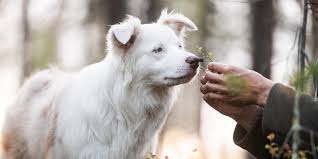
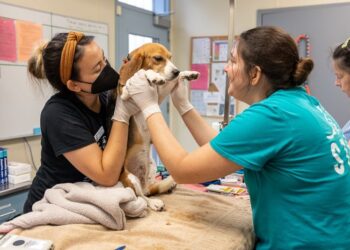
Grooming is far more than mere vanity; it’s a fundamental pillar of preventative health care for your dog or cat, serving as a vital line of defense against painful mats, skin infections, and overlooked health issues.
A well-maintained coat and skin are often the first, most visible indicators of a pet’s overall well-being, reflecting everything from their diet and hydration to their stress levels.
Unfortunately, many pet owners view grooming as a chore or something reserved only for long-haired breeds, unaware that all pets, regardless of coat length, require consistent attention to prevent serious, yet avoidable, conditions like chronic dry skin, severe matting that restricts movement, or the painful development of parasitic dermatitis.
This comprehensive guide will transform your approach to pet grooming, demystifying the essential practices—from selecting the right tools for proper de-shedding to safely executing nail trims and inspecting those hard-to-reach areas—empowering you to maintain a coat that is not only beautiful but robustly healthy from the skin up.
The Coat and Skin Foundation
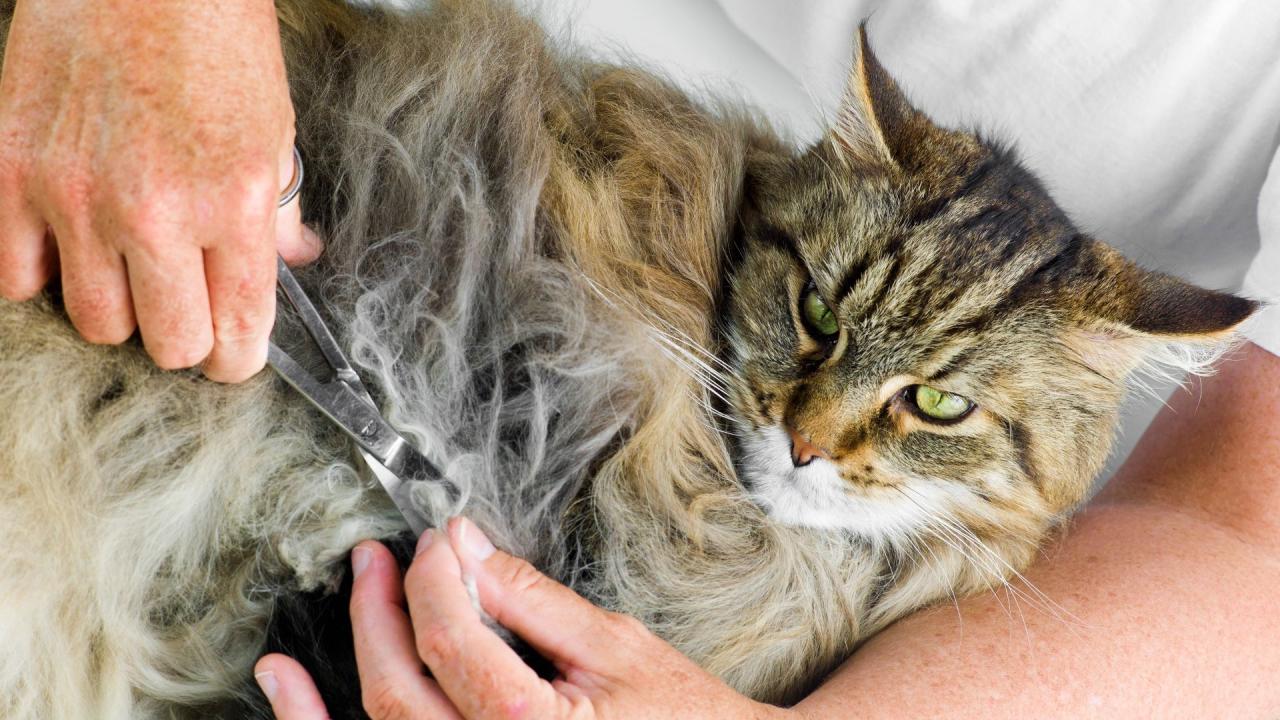
The quality of your pet’s coat is a direct reflection of their internal health, making daily or weekly brushing a crucial diagnostic and therapeutic tool.
A. The Necessity of Brushing
- A. Regular brushing is the most important component of coat maintenance for both dogs and cats.
- B. It removes dead, loose hair and debris, which significantly reduces shedding around the home.
- C. Brushing prevents the formation of painful mats and tangles that pull on the skin and can hide parasites or infections.
- D. This process stimulates the skin, encouraging blood circulation and the distribution of natural oils that keep the coat glossy.
- E. It serves as an excellent bonding ritual, making your pet comfortable with routine handling.
B. Choosing the Right Tools
- A. The correct grooming tool depends entirely on your pet’s coat type (e.g., short, long, double-coated).
- B. Slicker Brushes have fine, tightly packed wires and are essential for removing tangles and addressing moderate matting in medium-to-long coats.
- C. Undercoat Rakes have longer teeth designed to penetrate the thick outer layer of double-coated breeds (like Huskies or German Shepherds) to remove dead undercoat without cutting the guard hairs.
- D. De-Shedding Tools (like the FURminator) are highly effective at grabbing and removing loose undercoat but should be used sparingly to avoid irritating the skin or thinning the coat too aggressively.
- E. Rubber Curry Brushes or grooming mitts are ideal for short-haired breeds (like Beagles or Boxers), removing loose hair and providing a gentle massage.
C. Effective De-Shedding Techniques
- A. For double-coated breeds, line brushing is a systematic method that ensures every section of the coat is reached.
- B. This involves parting the hair against the growth and brushing in small, horizontal sections from the skin outward, working your way back over the entire body.
- C. Always brush in the direction of hair growth to avoid pulling, scratching the skin, or causing discomfort.
- D. Never shave down a double-coated breed (like Golden Retrievers or Pomeranians) in the summer, as their undercoat provides insulation against both heat and cold and protects against sunburn.
- E. Shaving a double coat can permanently damage the coat structure, causing it to grow back patchy or with improper texture.
Bathing, Drying, and Dermatitis
Bathing helps cleanse the skin, but incorrect technique or frequency can strip essential oils, leading to dryness and irritation.
A. Bathing Frequency and Products
- A. Most dogs should be bathed only once every one to three months to prevent stripping the skin of its natural protective oils.
- B. Dogs that swim frequently, roll in mud, or have certain medical skin conditions may require more frequent bathing, as directed by a veterinarian.
- C. Cats are meticulous self-groomers and rarely require a full bath unless they are elderly, ill, have mobility issues, or have gotten into a toxic or greasy substance.
- D. Always use a shampoo specifically formulated for pets, avoiding harsh human shampoos that can disrupt their skin’s pH balance.
- E. For pets with allergies or dry skin, therapeutic shampoos containing oatmeal, or those prescribed by a vet, can be soothing.
B. The Drying Imperative
- A. Thorough drying is critical, especially for pets with thick or long coats, to prevent the growth of yeast and bacteria.
- B. Moisture trapped near the skin is a common antecedent for skin issues, including hot spots.
- C. Use high-absorbency towels, followed by a low-heat hairdryer; never use high heat, as it can burn their sensitive skin.
- D. For double-coated breeds, a high-velocity grooming dryer is often the most effective tool to blast moisture and loose undercoat directly off the skin.
C. Identifying and Managing Hot Spots
- A. Hot Spots (acute moist dermatitis) are painful, rapidly spreading, inflamed, red, and often oozing patches of skin, usually caused by excessive licking or chewing.
- B. The immediate antecedent is usually an irritant—like a flea bite, allergy, or mat—that the pet licks incessantly.
- C. Immediate action is necessary: clip the hair around the hot spot (using clippers, not scissors) to expose the area to air and stop the bacteria growth.
- D. Clean the area with a mild, water-based antiseptic (like chlorhexidine) and apply an Elizabethan collar (cone) to prevent the pet from reaching and traumatizing the wound further.
- E. Hot spots usually require veterinary attention for a course of antibiotics, anti-inflammatory medication, and to treat the underlying cause (e.g., flea control or allergy management).
Detailed Care for Extremities and Senses
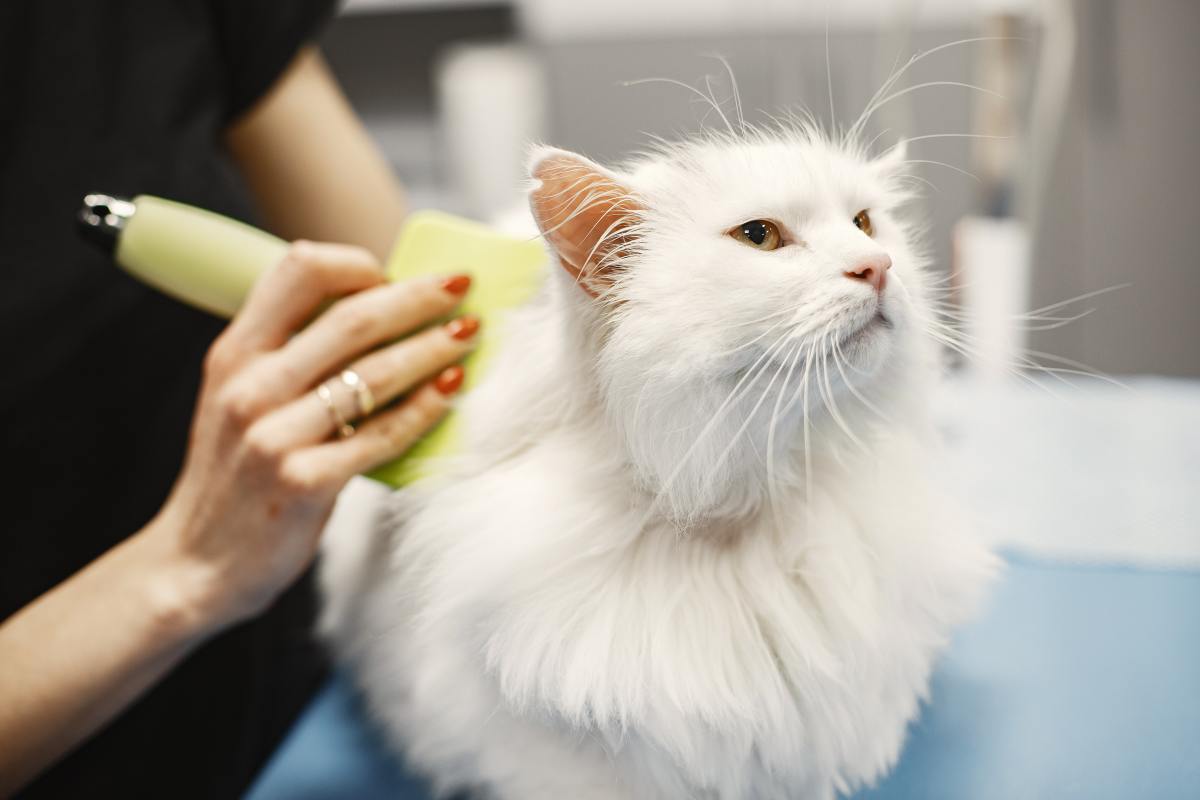
Grooming extends beyond the main coat to critical areas that require delicate, routine maintenance to ensure comfort and prevent infection.
A. Nail Trimming (The Fear Factor)
- A. Nail trimming is essential, as long nails cause pain, distort paw structure, and can lead to painful injuries if they catch or break.
- B. The quick is the internal blood vessel and nerve that runs down the center of the nail, and cutting it causes pain and bleeding.
- C. To avoid the quick, trim only the clear or white tip of the nail, cutting straight across or at a 45-degree angle.
- D. For dark nails, trim tiny amounts at a time until you see a chalky white ring with a small dark spot in the center (the beginning of the quick). Stop immediately.
- E. Always keep styptic powder (or cornstarch) readily available to stop bleeding if the quick is nicked.
- F. Positive reinforcement is key: introduce the clippers slowly, reward the pet for allowing their paws to be held, and give a high-value treat after every one or two nails are trimmed.
B. Ear Hygiene
- A. Routine ear checks are necessary to catch signs of infection early, especially for dogs with long, floppy ears (like Beagles or Spaniels) which trap moisture.
- B. A healthy ear canal should be clean and pale pink, with no strong odor, excessive wax, or redness.
- C. Clean the ears only when necessary, using a veterinarian-approved pet ear cleaner applied gently into the canal.
- D. Massage the base of the ear for 20–30 seconds to allow the cleaner to work, then wipe out any loosened debris with a cotton ball or soft gauze.
- E. Never use cotton swabs (Q-tips) to probe deep into the ear canal, as this can push debris further in or damage the eardrum.
C. Eye and Face Care
- A. Dogs and cats, especially those with flat faces (brachycephalic breeds like Persians or Pugs), often suffer from excessive tearing, leading to tear staining and moist, bacteria-prone skin folds.
- B. Gently wipe away crust or discharge daily using a soft, damp cloth or a dedicated pet eye wipe, always wiping away from the eye.
- C. Ensure the fur around the eyes is kept trimmed (with rounded-tip scissors and extreme caution) to prevent long hairs from irritating the cornea.
- D. Clean and dry any skin folds (wrinkles) on the face thoroughly every day, as these warm, moist areas are prime locations for bacterial and yeast infections.
Common Problems and When to See a Vet
Routine grooming provides the perfect opportunity to inspect your pet for early signs of trouble, which can be critical for quick diagnosis and treatment.
A. Signs of Parasites
- A. While brushing, look for “flea dirt” (small black specks that turn reddish-brown when wet), which is actually digested blood and confirms a flea infestation.
- B. Check for ticks, especially after walks in grassy or wooded areas, paying close attention to the ears, between the toes, and under the tail.
- C. Grooming is not a replacement for year-round, vet-recommended parasite prevention (flea, tick, and heartworm).
B. Skin Issues and Symptoms
- A. Look and feel for any abnormalities beneath the fur, such as lumps, bumps, scabs, excessive dandruff, or redness.
- B. Dandruff (seborrhea) or persistent flakiness can be a sign of dry weather, a diet lacking essential fatty acids, or an underlying allergy or hormonal condition.
- C. Excessive scratching, licking, or chewing in a specific area is a major indicator of discomfort, often pointing toward allergies, parasites, or anxiety.
C. When to Seek Professional Help
- A. If you discover a painful lump, a bleeding wound, or a hot spot that is rapidly worsening, seek veterinary attention immediately.
- B. If your pet’s scratching or chewing is relentless and causing hair loss, or if they have chronic ear discharge and a foul odor, a medical examination is needed.
- C. If you are struggling with severe matting, do not attempt to cut the mats out with scissors—matted fur is often very close to the skin, and you risk a serious injury; a professional groomer or vet can shave them safely.
- D. If your pet becomes highly aggressive or fearful during home grooming, consult a positive reinforcement trainer or veterinary behaviorist to address the fear before continuing.
Conclusion
Grooming is undeniably a profound act of care, moving far beyond mere aesthetics to serve as an indispensable cornerstone of preventative pet health management.
The routine commitment to brushing ensures the removal of harmful debris and loose undercoat while strategically stimulating the skin to maintain its natural, glossy protective barrier.
The consistent use of appropriate, specialized tools for de-shedding is crucial, preventing the dangerous formation of tight, painful mats that hide infections and restrict a pet’s natural movement.
Mastering careful techniques for bathing and, critically, thoroughly drying the coat prevents excess moisture from creating a breeding ground for harmful bacteria and yeast.
Diligence in checking and cleaning sensitive areas—including the ears, eyes, and skin folds—is necessary to preempt the development of common, yet uncomfortable, infections.
The vital practice of nail trimming, though often feared, must be approached with calm, positive reinforcement to safeguard the pet’s mobility and prevent long-term orthopedic issues.
Ultimately, by turning grooming sessions into regular, positive bonding opportunities, owners not only maintain their pet’s physical cleanliness but also build a trusting relationship that allows for the early detection of underlying illnesses, parasites, or suspicious lumps.
This holistic dedication to external care significantly enhances the pet’s quality of life, comfort, and longevity, proving that a healthy coat truly reflects a happy, well-cared-for animal.