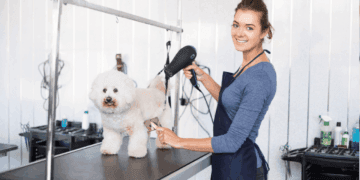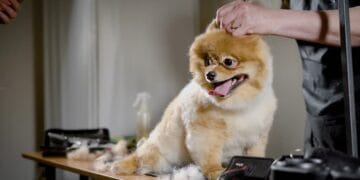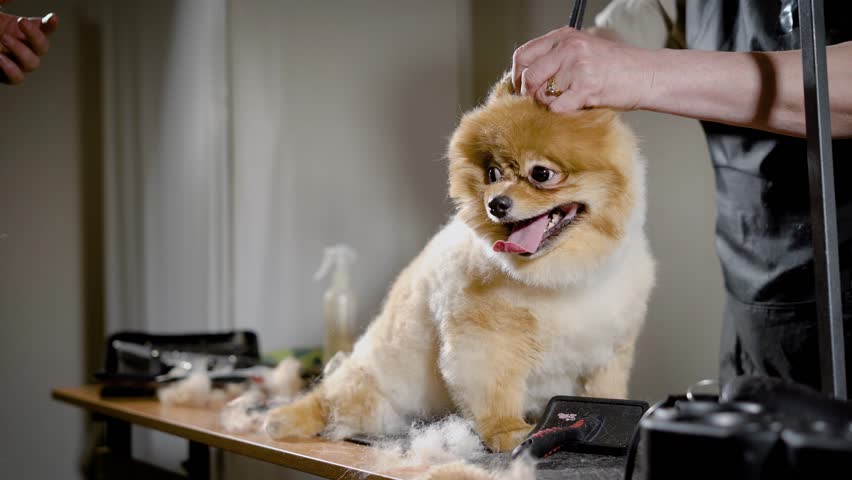
Many pet owners mistakenly view grooming primarily as a cosmetic ritual—a necessary, albeit occasional, procedure focused mainly on maintaining a tidy appearance, managing unruly fur, or preparing a beloved companion for a special event or photograph. This superficial perception fails to capture the profound, integral role that consistent, comprehensive grooming plays in the overall physical health, psychological well-being, and longevity of dogs, cats, and indeed, all domestic animals under our care, making it far more critical than mere aesthetics.
Regular, hands-on grooming sessions offer a unique and essential opportunity for owners to conduct routine, close-quarters physical inspections, allowing for the early detection of potentially serious issues that might otherwise remain hidden, such as subtle skin infections, developing tumors, embedded parasites, or painful joint inflammation, often catching these problems in their most treatable stages.
Furthermore, the systematic process of brushing, bathing, and trimming directly contributes to the prevention of painful conditions like severe matting, which can lead to skin trauma and infection, and neglected nails, which can cause skeletal misalignment and chronic discomfort when walking, transforming the grooming routine into a vital component of preventive veterinary medicine.
Therefore, adopting a dedicated schedule for essential grooming is not just about keeping a pet looking its best; it is an act of deep responsibility and affection, proactively ensuring the animal’s physical comfort, fostering a stronger bond, and significantly contributing to a healthier, happier life free from easily avoidable distress.
Pillar 1: Coat and Skin Health – The Foundation of Grooming
The pet’s coat is the first defense against the environment, and its health is directly linked to the health of the underlying skin.
A. The Importance of Daily or Weekly Brushing
Routine brushing is the single most effective tool for maintaining coat and skin integrity.
Preventing Mats and Tangles: Regular brushing removes loose fur and prevents the formation of painful mats, which can quickly tighten, restrict movement, and hide parasites or skin lesions.
Distributing Natural Oils: The bristles stimulate the skin and distribute the pet’s natural oils (sebum) evenly across the coat, giving it a healthy, shiny luster and acting as a natural water barrier.
Massage and Inspection: Brushing serves as a light massage, promoting circulation and providing the perfect opportunity for the owner to conduct a thorough, tactile inspection of the skin for ticks, fleas, cuts, or bumps.
B. Selecting the Right Tools for the Coat Type
Matching the tool to the specific coat requirements is crucial for efficiency and pet comfort.
Slicker Brushes: Excellent for removing loose undercoat and separating fine hairs in breeds with medium to long, dense coats (e.g., Golden Retrievers, Maine Coons), helping to prevent matting.
Pin Brushes: Best for daily detangling and general maintenance on long-haired dogs and cats, gently removing superficial debris without pulling heavily on the fur.
Undercoat Rakes and Deshedders: Specialized tools (like the Furminator) are designed to safely reach deep into the dense undercoat to remove large amounts of dead hair, drastically reducing shedding around the house.
C. Bathing Techniques for Different Breeds
Knowing when and how to bathe, based on the coat and skin needs.
Frequency Guidelines: Most dogs only require a bath once every four to six weeks to avoid stripping essential natural oils. Cats generally require less frequent bathing unless they are elderly or have mobility issues.
Shampoo Selection: Always use pet-specific, pH-balanced shampoos that are gentle on the skin. Human shampoos are too acidic and can cause dryness, irritation, and allergic reactions in pets.
Thorough Rinsing: The most common bathing mistake is insufficient rinsing. Ensure every trace of shampoo is removed, as residue can dry on the skin, causing intense irritation and flakiness.
Pillar 2: Nail Care – Crucial for Mobility and Comfort
Neglected nails are a major source of pain and can lead to long-term orthopedic issues.
A. Why Regular Trimming is Non-Negotiable
Understanding the health consequences of long nails on a pet’s skeletal system.
Preventing Painful Breaks: Long nails are prone to snagging and tearing, often leading to painful bleeding, infection, and emergency veterinary visits.
Maintaining Posture and Gait: When nails touch the ground, they exert force back into the nail bed, causing the toes to spread and forcing the pet to walk incorrectly, leading to joint pain and long-term skeletal misalignment.
Reducing the Quick: Frequent, small trims encourage the quick (the blood vessel and nerve tissue) to recede, making future trims easier and safer over time.
B. Mastering the Safe Trimming Technique
Learning to trim efficiently while avoiding the sensitive quick.
Proper Tools: Use sharp, specialized nail clippers (guillotine or scissor style) designed for the pet’s size. Dull clippers crush the nail, which is uncomfortable for the animal.
Identifying the Quick: On pets with light nails, the quick is the visible pink portion. On dark nails, trim small slivers at a time until a small dark dot appears in the center—this signals the proximity of the quick.
The Angle: Trim the nail at a $45$ degree angle, ensuring the cutting surface is parallel to the bottom of the paw pad, mimicking the natural wear pattern of the nail.
C. Dealing with Accidents and Fear
Knowing how to stop bleeding and how to desensitize a nervous pet.
Styptic Powder: Always keep styptic powder (or cornstarch/flour in a pinch) readily available during trimming. If the quick is cut, firmly press the powder onto the tip of the bleeding nail to quickly coagulate the blood.
Positive Association: For fearful pets, introduce the clippers gradually, pairing the sight and sound of the tool with high-value treats and praise without actually clipping, building a positive association over several weeks.
Micro-Trimming: Perform very tiny, frequent trims (just the tip) rather than large, sporadic cuts. This prevents stress for the pet and minimizes the risk of hitting the quick.
Pillar 3: Ear and Eye Care – Preventing Infection

These sensitive areas require regular cleaning to prevent infections, which can be difficult and costly to treat.
A. Essential Ear Cleaning Protocol
Routine checks and cleaning to prevent the buildup of wax and debris that causes infections.
Weekly Inspection: Lift the ear flap weekly to check for redness, swelling, unusual odor (a classic sign of infection), or excessive dark discharge.
Proper Cleaning Solution: Only use a veterinarian-approved, gentle ear cleaning solution. Never use water, alcohol, or hydrogen peroxide, as these can irritate the delicate inner ear tissue.
The Swab Caution: Never insert cotton swabs (Q-tips) into the ear canal. This pushes debris deeper and risks perforating the eardrum. Instead, use a cotton ball soaked in solution to gently wipe the visible folds and the inner ear flap.
B. Eye Discharge and Stain Management
Addressing tearing and discoloration around the eyes, common in many breeds.
Gentle Wiping: Use a soft, clean, damp cloth or a specialized eye wipe to gently remove discharge from the inner corner of the eyes daily, preventing the formation of crusty buildup.
Addressing Tear Stains: Reddish-brown tear stains, common in light-colored breeds, are often caused by porphyrins (iron-containing molecules) in the tears. Specialized topical wipes or dietary supplements may help, but require veterinary consultation.
Signs of Trouble: If the eye discharge is thick, yellow, green, or accompanied by constant squinting or redness, seek veterinary attention immediately, as this indicates a serious infection or corneal injury.
C. Dental Hygiene – The Most Neglected Aspect
Preventing painful periodontal disease through simple, consistent actions.
The Importance of Brushing: Daily or every-other-day brushing with pet-specific toothpaste is the gold standard for preventing plaque buildup, which leads to painful gum disease and tooth loss.
Pet Toothpaste Only: Use enzymatic toothpaste formulated for pets. Human toothpaste contains fluoride and detergents that are toxic if swallowed by the animal.
Chew Alternatives: While not a substitute for brushing, dental chews and water additives can help reduce plaque buildup between brushing sessions and are especially useful for pets who strongly resist the toothbrush.
Pillar 4: The Benefits of Hands-On Inspection and Bonding
Grooming is not just about cleaning; it’s a critical health checkpoint and a bonding opportunity.
A. The Full Body Health Check
Using the grooming session as a structured opportunity for physical assessment.
Palpating for Bumps: While brushing, gently run your hands across the entire body, feeling under the fur for any unusual lumps, bumps, swellings, or tender spots that might indicate cysts, tumors, or hidden injuries.
Mouth and Gum Check: Gently lift the lips to check the gums for healthy pink color (pale gums can signal anemia or shock) and inspect the teeth for heavy tartar buildup or chipped enamel.
Paws and Pads: Carefully examine the pads of the feet for cracks, foreign objects (like thorns or glass), or signs of irritation between the toes, which are common hiding spots for allergies or infections.
B. Fostering the Pet-Owner Bond
Using touch and routine to build trust and strengthen the relationship.
Positive Reinforcement: Pair every step of the grooming process—especially the challenging parts like nail trimming—with generous, high-value treats and calm, positive verbal praise.
Habitual Touch: Regular handling during grooming desensitizes the pet to being touched in vulnerable areas (paws, ears, tail), which makes vet visits and professional grooming sessions much less stressful.
Calm Environment: Perform grooming sessions in a quiet, secure environment when both the owner and the pet are relaxed, keeping the energy calm and the process focused.
C. Recognizing Stress Signals
Learning to read the pet’s body language to prevent overwhelming them during grooming.
Subtle Warnings: Look for early signs of stress such as lip licking, yawning, tail tucking, pinning the ears back, or excessive panting, which indicate the pet is feeling anxious or uncomfortable.
Taking Breaks: If stress signals become apparent, immediately stop the current activity and allow the pet a brief break. Resume with a lower-intensity activity (like gentle back stroking) before attempting the difficult task again.
Positive Conclusion: Always try to end the grooming session on a positive, non-stressful note, concluding with a favorite treat or a short play session, ensuring the pet doesn’t associate the entire event with negative feelings.
Pillar 5: Essential Tools and Dealing with Matted Fur
Knowing the right equipment and how to safely handle common, serious coat problems.
A. The Grooming Supply Checklist
The minimum essential equipment every pet owner should own for home care.
The Right Brush: A slicker brush or undercoat rake suited to the specific breed’s coat density.
Pet-Specific Shampoo: A pH-balanced, soap-free shampoo suitable for sensitive skin.
Quality Clippers: Sharp, appropriately sized nail clippers (with a fresh blade if electric).
Ear Cleaner and Wipes: Veterinarian-approved ear solution and soft, lint-free cotton balls or pads.
Emergency Kit: Styptic powder (or cornstarch) for immediate use in case of accidental quick cutting.
B. Safely Handling Matted Fur
Dealing with severe tangles that require specialized care.
Never Use Scissors: Do not attempt to cut mats out with sharp scissors at home. Mats are often deceptively close to the skin and cutting them frequently results in serious skin lacerations.
Mat Splitters and Combs: For small, surface mats, use a specialized mat splitter tool or a metal greyhound comb to gently tease the hair apart from the ends of the fur towards the skin, working slowly.
The Professional Solution: If mats are tight, wide, or numerous, the safest and most humane solution is to take the pet to a professional groomer or veterinary clinic to have the entire coat shaved down carefully by a professional, prioritizing skin health over maintaining coat length.
C. Maintaining a Grooming Schedule
Creating a reliable routine that keeps the pet healthy and happy.
Weekly Brush/Check: Schedule a specific time each week (e.g., Sunday evening) for a full body brush, ear check, and tooth brushing session to establish a consistent routine.
Monthly Nail Trim: Set a recurring calendar reminder for the necessary nail trimming, ensuring the quick does not grow too long between sessions.
Quarterly Professional Visit: Even if performing home grooming, schedule a full-service grooming appointment every three months with a professional. They can access hard-to-reach areas and use high-velocity dryers to ensure the undercoat is completely dry.
Conclusion: Grooming as a Vindicator of Responsible Pet Ownership

Grooming transcends its perceived role as a cosmetic necessity, standing instead as a fundamental, non-negotiable component of dedicated, proactive pet healthcare.
The single most effective daily defense against painful skin infections and coat matting is the consistent use of the appropriate brush, which also serves to distribute beneficial natural oils for a healthy shine.
Neglecting seemingly minor details, particularly the trimming of the nails, can lead to severe long-term complications, causing joint pain and permanent, unnecessary damage to the animal’s gait and posture.
Routine inspection of the ears and eyes with veterinarian-approved solutions is vital for preventing the development of costly, painful infections that are easily avoided through simple, scheduled cleaning.
Critically, the quiet time spent during the grooming process provides the owner with an unparalleled opportunity to conduct a full, tactile health check, allowing for the early discovery of underlying physical abnormalities or injuries.
The process is also a profound psychological tool, strengthening the bond of trust and communication between the pet and its owner, making the animal more relaxed and compliant for future medical and handling needs.
By embracing a consistent, structured grooming schedule, utilizing the correct tools, and prioritizing the animal’s comfort over human convenience, the pet owner ensures their companion enjoys a life of maximized physical health, dignity, and lasting emotional contentment.