
The rising cost of living has not spared our four-legged family members. In 2026, the average cost of a routine veterinary consultation can range significantly depending on your zip code, often leaving pet parents in a financial bind. However, “cheap” vet care does not have to mean “low-quality” care. By leveraging community resources, digital health platforms, and strategic preventive measures, you can secure world-class medical attention for your pets without depleting your savings. This guide explores the most effective ways to find affordable veterinary solutions right in your neighborhood.
The Landscape of Affordable Pet Healthcare
Modern veterinary medicine has seen a surge in specialized clinics and non-profit partnerships designed specifically for budget-conscious owners. The key to navigating this landscape is understanding that prices are not fixed. Much like human healthcare, the cost of a “sick visit” or “annual exam” varies based on the facility’s overhead, location, and service model. Finding the cheapest vet care requires a blend of local research and a proactive approach to wellness.
A. Utilizing Non-Profit and Shelter Clinics
Local animal shelters and humane societies are often the first line of defense for affordable pet care. These organizations frequently operate low-cost wellness clinics open to the public.
Low-Cost Vaccination Events: Many shelters host “pop-up” clinics where rabies, distemper, and bordetella shots are offered at a fraction of private practice prices.
Subsidized Spay and Neuter: To control pet overpopulation, many non-profits offer heavily discounted or even free surgical services based on income eligibility.
Wellness Packages: Some shelters provide bundled services that include a physical exam, heartworm test, and basic bloodwork for a single flat fee.
Income-Based Sliding Scales: Organizations like the Humane Society often adjust their fees based on your household income, ensuring that financial hardship doesn’t prevent medical treatment.
B. Exploring Retail and Mobile Veterinary Services
The rise of “express” veterinary care in retail environments has revolutionized pricing transparency. Brands like Vetco (at Petco) and PetVet (at Tractor Supply Co) offer a streamlined model that eliminates the “office visit fee.”
No Consultation Fees: Unlike traditional clinics that charge $60 to $100 just to see the doctor, retail clinics often charge only for the specific services or vaccines provided.
Standardized Pricing: Because these are national chains, their pricing is often listed online, allowing you to budget exactly for what your pet needs.
Convenience and Speed: Mobile clinics often travel to different neighborhoods on weekends, making it easier to find care “near your home” without taking time off work.
Pharmacy Savings: These clinics often have direct links to online pharmacies, providing cheaper access to flea, tick, and heartworm preventatives.
C. The Power of Virtual Vet Visits (Telemedicine)
In 2026, telehealth is the fastest-growing segment of affordable pet care. If your pet has a non-emergency issue—such as a skin rash, mild upset stomach, or behavioral concern—a digital consult is often the cheapest option.
Fraction of the Cost: A virtual visit typically costs between $40 and $65, whereas an in-person emergency room visit can start at $150 before any treatment is rendered.
Prescription Services: Many licensed virtual vets can now call in prescriptions to local pharmacies or ship them directly to your door.
Triage Efficiency: A quick video call can help you determine if your pet actually needs an expensive physical exam or if the issue can be managed with over-the-counter remedies at home.
24/7 Availability: Many pet insurance plans now include free 24/7 “Vet Chat” services as part of their monthly premium.
D. Financial Assistance and Payment Strategies

When unexpected medical emergencies arise, the “cheapest” care is the one you can pay off over time without predatory interest rates.
CareCredit and Scratchpay: These are specialized health credit cards that often offer 6 to 12 months of interest-free financing for veterinary bills.
Veterinary Colleges: If you live near a university with a veterinary program, you may find lower-cost specialty care. While these are teaching hospitals, the students are supervised by world-class specialists.
The Pet Fund: This national non-profit provides grants for non-basic, non-urgent veterinary care (such as cancer treatment or heart disease) for owners who cannot afford it.
In-House Payment Plans: Don’t be afraid to ask your local vet about “deferred billing.” Many independent clinics are willing to work with long-term clients during a crisis.
E. Preventive Care: The Ultimate Money-Saver
The cheapest vet bill is the one you never have to pay. Investing small amounts in prevention prevents massive expenditures on emergency surgeries or chronic disease management.
Dental Hygiene: Periodontal disease leads to heart and kidney issues. Brushing your pet’s teeth and using dental chews can save you thousands in future oral surgeries.
Weight Management: Obesity is a leading cause of diabetes and joint failure in pets. Keeping your pet at a healthy weight through diet and exercise is entirely free and extends their life.
Year-Round Parasite Prevention: Treating a heartworm infection can cost $1,500+, while a monthly preventative pill costs about $15.
At-Home Grooming: Bathing, ear cleaning, and nail trimming at home reduces the risk of infections and saves on professional grooming fees.
F. How to Compare Local Clinic Prices
Finding the cheapest vet care “near your home” requires a bit of detective work. Not all clinics advertise their prices, but you can find the data using these steps:
Check Google Reviews: Search for “affordable” or “price” within the reviews of nearby clinics to see what other pet parents are saying about their billing.
Ask for an Itemized Estimate: Before agreeing to any procedure, request a written breakdown of costs. You can often decline “optional” extras like premium nail trims during a medical exam.
Call and Inquire: Specifically ask for the “base exam fee” and the cost of a “Rabies/DHPP combo.” These are standard benchmarks that allow you to compare the general price level of different offices.
Join Local Community Groups: Facebook groups or Nextdoor apps for your neighborhood are goldmines for finding “hidden gem” vets who keep their prices low for the local community.
G. The Role of Pet Insurance in 2026
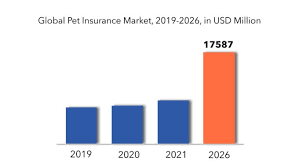
While it seems like an added expense, the right insurance policy acts as a ceiling on your total veterinary costs.
Accident-Only Plans: These are the cheapest plans and cover major traumas like broken bones or toxin ingestion.
Wellness Add-ons: Some policies reimburse you for the cost of annual exams and vaccines, effectively “pre-paying” for your pet’s care at a discounted rate.
High-Deductible Options: By choosing a higher deductible, you can keep your monthly premium very low while still being protected against a $5,000 emergency bill.
H. Conclusion
Finding the cheapest vet care near your home is a matter of being informed and proactive. By combining the affordability of shelter clinics, the convenience of retail wellness centers, and the technological edge of telemedicine, you can provide your pet with a high standard of living on a modest budget. Remember, the most expensive care is often the care that was delayed. Start your search today, build a relationship with a budget-friendly provider, and rest easy knowing your pet’s health is secured.