A pet’s coat—the dense, protective layer of fur that defines its appearance—serves as far more than just insulation or a beautiful aesthetic feature; it acts as a remarkably accurate and immediate bio-indicator of the animal’s overall systemic health, reflecting everything from the nutritional balance of its diet to the efficiency of its internal organs and the effectiveness of its external care routine.
When a dog or cat exhibits a dull, brittle, sparse, or excessively shedding coat, often accompanied by dry, flaky, or inflamed skin, these visible signs should never be dismissed as merely cosmetic imperfections, but rather interpreted as urgent, non-verbal signals indicating potential underlying distress, such as specific nutritional deficiencies, chronic stress, hormonal imbalances, or unresolved allergic reactions.
Achieving that sought-after, deep, luxurious luster and smooth texture requires moving beyond the occasional superficial wash, demanding a comprehensive, holistic approach that addresses the health of the skin and hair follicles from the inside out, utilizing superior internal supplementation, meticulous external maintenance, and consistent preventative measures against common parasitic threats.
Therefore, understanding the secrets to a truly shiny coat is synonymous with mastering the art of high-quality pet ownership, proactively ensuring the animal is thriving, comfortable, and radiating peak vitality through its most visible attribute.
Pillar 1: The Nutritional Foundation for Coat Health
A dull, dry coat is often the first visible sign of a diet that is lacking in key, essential nutrients. External treatments can only do so much if the internal building blocks are missing.
A. The Power of Essential Fatty Acids (EFAs)
The most critical dietary component for promoting skin elasticity and hair shine.
Omega-3 Fatty Acids: These are vital for their powerful anti-inflammatory properties, directly reducing skin irritation, redness, and itchiness often associated with allergies, which in turn leads to less scratching and better coat integrity.
Sources of Omega-3: The best sources are fish oils (like salmon or sardine oil), flaxseed, and certain algae. They must be supplemented consistently, as most commercial pet foods do not contain sufficiently high levels.
Omega-6 Balance: Omega-6s are also necessary for skin barrier function, but must be carefully balanced with Omega-3s. An excess of Omega-6 (common in grain-heavy diets) can actually promote inflammation.
B. The Role of Protein and Amino Acids
Hair is predominantly made of protein, making high-quality intake essential for growth and strength.
Keratin Production: Hair, or fur, is almost entirely composed of keratin, a fibrous protein. A diet rich in high-quality, easily digestible animal protein (meat, fish, eggs) provides the necessary amino acids to produce strong, resilient hair strands.
Shedding and Strength: Protein deficiencies can lead to excessive shedding, weak hair shafts, and a noticeably dull or brittle texture, as the body prioritizes protein for more critical functions over hair production.
High-Quality Sources: Look for pet foods where the first ingredient listed is a named meat source (e.g., chicken meal, deboned salmon) rather than generic fillers or plant proteins alone.
C. Vitamins and Trace Minerals
Micro-nutrients that support cell renewal and healthy pigment.
Biotin and Zinc: These trace minerals are fundamental for healthy cell division and repair, directly impacting the health of hair follicles and skin integrity. Deficiencies often lead to hair loss or dermatitis.
Vitamin E: This acts as a powerful antioxidant, protecting the fatty acids and skin cells from oxidative damage, and contributing to the anti-inflammatory effects necessary for healthy skin.
Copper for Pigment: Copper is essential for the production of melanin, the pigment that gives the coat its color. Deficiencies can sometimes manifest as a fading or dulling of the coat color, particularly in darker breeds.
Pillar 2: The Art of External Maintenance and Brushing
Even with a perfect diet, a shiny coat requires mechanical maintenance to remove dead hair and distribute oils correctly.
A. Selecting the Correct Brush for the Undercoat
Using the wrong tool can damage the coat and irritate the skin.
Slicker Brushes: Excellent for removing loose undercoat and surface debris from medium to long-haired breeds, promoting air circulation and preventing the buildup of dead hair.
Deshedding Tools: Tools specifically designed to reach deep beneath the topcoat (like the Furminator) should be used judiciously—once or twice a week—to remove dead undercoat, but excessive use can damage the top layer.
Pin/Bristle Brushes: Best for daily maintenance and finishing on short-haired or smooth-coated breeds, effectively spreading natural oils and polishing the surface of the coat.
B. Brushing Technique for Maximum Shine
Using the brush to promote circulation and oil distribution.
The Oil Distribution Method: Brush systematically from root to tip across the entire body, using gentle pressure that stimulates the skin without scratching it. This action pulls the natural oils (sebum) down the length of the hair shaft.
The “Line Brushing” Technique: For dense, double-coated breeds, part the hair down to the skin and brush in small sections, working your way up the body. This ensures you are reaching the entire undercoat and preventing mats from forming near the skin.
Frequency is Key: Short-haired pets benefit from daily quick brushing, while long-haired pets with dense coats often require $15$–$20$ minutes of deep brushing three times a week to maintain optimal health.
C. The Strategic Use of Waterless and Finishing Sprays
Adding hydration and polish without requiring a full bath.
Hydration Sprays: Use moisturizing or detangling sprays before brushing, especially on dry or long coats. This lubricates the hair, preventing breakage during the brushing process and adding a layer of protection.
Finishing Sprays: Apply a light mist of a silicone or oil-based finishing spray after brushing. This seals the outer cuticle of the hair shaft, reflecting light and immediately giving the coat a visible, glass-like shine.
Oatmeal or Aloe Baths: For pets with dry, irritated skin, bathing with oatmeal or aloe-based shampoos provides soothing hydration, calming the skin and supporting the environment needed for healthy hair growth.
Pillar 3: Environmental and Preventative Measures

External threats and environmental factors can severely compromise even the healthiest internal coat system.
A. Parasite Control and Management
External pests are a major, often overlooked, cause of coat and skin damage.
Flea and Tick Prevention: Maintain a strict, veterinarian-recommended schedule for topical or oral flea and tick preventatives year-round. Parasitic bites cause intense itching, leading to chewing and scratching that severely damages the coat.
Mite Infestations: Mites (like Sarcoptes or Demodex) cause intense, relentless itching and localized hair loss. If your pet is excessively scratching and has bare or red patches, consult a vet immediately for a skin scraping test.
Immediate Treatment: If fleas are discovered, use a fast-acting treatment and thoroughly clean (wash bedding, vacuum carpets) the entire environment to eliminate eggs and larvae, preventing re-infestation.
B. Managing Environmental Allergies
Identifying and mitigating external irritants that cause chronic skin inflammation.
Pollen and Dust: Dogs and cats can suffer from atopic dermatitis (environmental allergies), which causes skin inflammation, redness, and relentless itching, leading to self-inflicted coat damage.
Foot Wiping Routine: After outdoor walks, gently wipe the pet’s paws and belly with a damp cloth to remove residual pollen, grass particles, or dust, reducing the amount of irritant brought into the house.
Air Quality Control: Use a HEPA air purifier in the main living areas to reduce airborne allergens and dust mites, which can significantly reduce the pet’s overall allergic load and associated itching.
C. Avoiding Over-Bathing and Drying Damage
Protecting the skin’s natural barrier from aggressive washing or harsh drying.
Protecting Sebum: Limit baths to no more than once every three to four weeks for most breeds. Over-bathing strips the vital layer of sebum, leaving the coat dry, dull, and the skin vulnerable to infection.
High-Velocity Drying: If possible, use a high-velocity pet dryer after bathing. This not only speeds up drying but physically forces dead undercoat out, creating space for new, healthy hair growth.
Low Heat Rule: Never use a human hairdryer on a high-heat setting. The pet’s skin is more sensitive and can be easily burned, or the coat can become extremely dry and brittle due to heat damage.
Pillar 4: Addressing Specific Coat Issues
A shiny coat requires a proactive approach to common issues like dandruff, excessive shedding, and matting.
A. Tackling Excessive Shedding (Seasonal and Chronic)
Understanding the difference between normal cycles and problematic hair loss.
Normal Seasonal Shedding: Many double-coated breeds experience two major seasonal “blows” (spring and fall). This period requires intensified daily brushing and potentially a professional de-shedding treatment.
Chronic or Patchy Loss: If shedding is patchy, uneven, or occurs with skin redness, lethargy, or weight changes, it is not normal. This requires an immediate veterinary visit to rule out hormonal problems (like hypothyroidism) or systemic illness.
Hydration and Diet: Often, chronic, low-level shedding is improved by simply ensuring the pet’s diet is high in EFAs and ensuring they are drinking enough water to keep hair follicles functioning efficiently.
B. Managing Dandruff and Flakiness
Treating dry, irritated skin that produces excessive flakes.
Cause Assessment: Dandruff (seborrhea) can be caused by dry air, poor diet, or underlying allergies. Determine the likely cause before implementing treatment.
Moisturizing Shampoos: Use moisturizing or medicated shampoos containing ingredients like salicylic acid or coal tar (only under vet guidance) to treat flaky skin, followed by a deeply hydrating rinse.
Humidification: Especially during dry winter months, use a room humidifier in the areas where the pet sleeps, adding moisture to the environment that the skin and coat can absorb.
C. Recognizing and Treating Hot Spots
Identifying acute, painful skin damage that can lead to severe coat loss.
Acute Moist Dermatitis: Hot spots are rapidly developing, red, oozy, and extremely painful lesions that appear after a pet relentlessly chews, licks, or scratches one area, usually triggered by an insect bite or allergic itch.
Immediate First Aid: Trim the hair around the entire perimeter of the lesion (making the area larger than the spot itself) to allow it to air dry, and apply a soothing, non-stinging antiseptic spray as directed by a vet.
Preventing Access: The core treatment is preventing the pet from continuing to lick the area, often requiring the use of a cone (Elizabethan collar) until the hot spot is fully healed.
Pillar 5: Specialized Care and the Professional Touch
Knowing when home care is not enough and utilizing advanced grooming techniques for peak coat performance.
A. The Benefits of Professional Grooming
Utilizing expert tools and techniques for optimal coat maintenance.
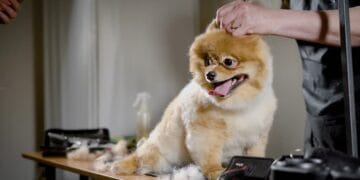
Specialized Equipment: Professionals use high-powered, pressurized bathing systems that penetrate the coat deeply and ensure every trace of shampoo is completely rinsed out, something difficult to achieve at home.
High-Velocity Drying: The use of professional high-velocity dryers not only saves time but is the most effective way to remove all dead, loose undercoat from double-coated breeds, drastically reducing shedding.
Hard-to-Reach Areas: Groomers are experts at safely handling sensitive and difficult-to-reach areas like between the paw pads, around the eyes, and inner ears, ensuring no mats or debris are missed.
B. Understanding Breed-Specific Grooming Needs
Recognizing that no two coats are the same and tailoring the approach.
Double Coats (Huskies, Shepherds): These coats should never be fully shaved, as the double layer regulates temperature. Focus on high-frequency deshedding and undercoat removal.
Wire Coats (Terriers): These coats often require hand-stripping (plucking dead hairs) rather than clipping to maintain the texture and water-resistant qualities necessary for the breed standard.
Curly Coats (Poodles, Doodles): These coats require daily brushing down to the skin and professional clipping every $6$ to $8$ weeks to prevent immediate and irreversible full-body matting.
C. Advanced Internal Supplements
Beyond basic EFAs, utilizing specific boosters for stubborn coat issues.
Coconut Oil (Topical and Internal): Small amounts of virgin coconut oil can be added to the food for internal moisturizing, or a tiny amount rubbed directly onto dry patches of skin for a topical soothing effect.
Probiotics: A healthy gut is directly linked to healthy skin. Probiotic supplements can improve nutrient absorption and modulate the immune system, often reducing allergy-related skin inflammation.
Vitamin D: Ensuring adequate Vitamin D levels (often through a balanced commercial diet or regulated supplement) is crucial for immune response and skin barrier function, which indirectly supports a shiny coat.
Conclusion: The Holistic Approach to Radiant Fur

Achieving a visibly shiny and resilient coat is a holistic process, beginning not with a shampoo bottle but with a foundational commitment to superior internal nutrition.
The cornerstone of this internal health is the consistent supplementation of Omega-3 essential fatty acids, which powerfully combat skin inflammation and directly support the growth of strong, flexible hair shafts.
External maintenance requires the strategic use of the correct brush type for the specific coat, ensuring dead hair and debris are meticulously removed to allow air circulation and prevent painful matting.
Protection against environmental threats is crucial, demanding a strict, year-round schedule of flea and tick preventatives, as parasitic irritation can quickly destroy the coat through relentless self-trauma.
The frequency of bathing must be strictly limited to preserve the vital layer of natural sebum, which functions as the coat’s built-in moisturizer and shine agent.
Any sudden onset of excessive shedding, patchy hair loss, or unrelenting itching should be treated as an urgent health signal, immediately requiring a veterinary consultation to rule out underlying hormonal or systemic diseases.
By diligently managing diet, maintaining a strict brushing schedule, and proactively defending against external and internal threats, owners ensure their cherished companion not only looks beautiful but is truly thriving from the inside out, proudly showcasing the unmistakable sign of radiant vitality.