
The love we share with our dogs and cats is deeply emotional, and just like us, our pets have rich inner lives that are susceptible to stress, loneliness, and anxiety. A pet’s mental and emotional well-being is every bit as critical as their physical health.
Failing to address their inner world can lead to destructive behaviors, chronic anxiety, and even physical illnesses.
Understanding how to recognize the often subtle signs of distress and implementing effective strategies—from environmental enrichment to specialized training—is essential to ensuring your companion lives a truly happy, balanced life.
This guide will walk you through decoding their feelings, tackling common emotional challenges like separation anxiety and grief, and building a home environment that nourishes their mind.
Decoding Distress—Recognizing Anxiety and Stress
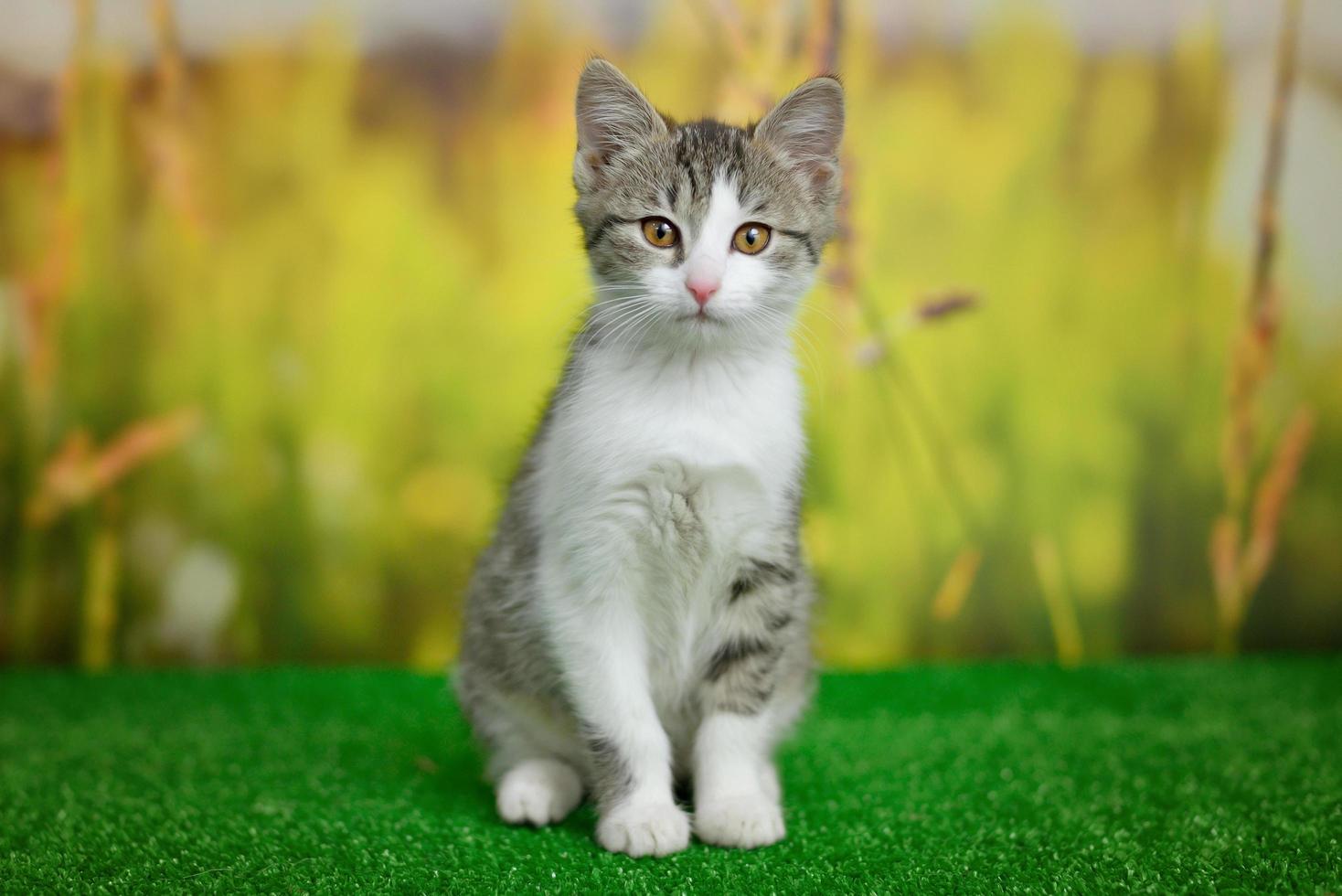
Pets don’t use words to tell us they’re worried; they use body language and behavioral changes. Recognizing these signals early is the first step toward mental wellness.
A. Signs of Stress and Fear in Dogs
Dogs often exhibit appeasement or displacement behaviors when uncomfortable or anxious.
- A. Yawning and Lip Licking: These are often not signs of tiredness or hunger, but subtle efforts to self-soothe or show deference in a stressful situation.
- B. Pinned Ears and Cowering: The dog lowers their body, tucks their tail, and pulls their ears flat against their head, demonstrating fear and submission.
- C. Pacing and Restlessness: Especially before you leave, or during a thunderstorm, the dog may be unable to settle, walking in circles or back and forth.
- D. Excessive Shedding or Drooling: High-stress situations can trigger a sudden, heavy shed or excessive production of saliva.
- E. Destructive Behavior: Chewing on furniture, digging, or scratching doors, particularly when left alone, often signals panic, not simply boredom.
B. Signs of Stress and Fear in Cats
Cats are masters of hiding illness and emotional distress, often communicating through subtle shifts in routine or elimination.
- A. Excessive Grooming (Over-Grooming): Licking or chewing the fur so intensely it creates bald patches, often on the belly or legs. This is a common displacement behavior for anxiety.
- B. Hiding and Withdrawal: A cat that suddenly spends all its time hidden under a bed or in a closet is likely stressed or ill.
- C. Inappropriate Elimination: Urinating or defecating outside the litter box. While this can be medical, it is a frequent sign of stress or dissatisfaction with the environment.
- D. Changes in Appetite: A sudden lack of interest in food, or, conversely, overeating.
- E. Excessive Vocalization: Uncharacteristic howling, meowing, or crying, particularly when the cat is unable to locate their primary person.
Tackling Specific Emotional Challenges
Some of the most serious mental health issues pet owners face involve specific triggers related to routine or major life changes.
A. Separation Anxiety (The Panic of Being Alone)
Separation anxiety (SA) is a true panic disorder that occurs when a pet—often a dog, but cats experience it too—is left alone or separated from the person they are primarily attached to. This is distinct from simple boredom.
I. Classic SA Behaviors
- A. Destructive Acts: Chewing on door frames, window sills, or trying to break out of crates, often resulting in self-injury (broken teeth or scraped paws).
- B. Persistent Vocalization: Sustained howling, barking, or crying that starts shortly after the owner leaves and usually lasts for the duration of the absence.
- C. Inappropriate Elimination: Urinating or defecating indoors only when the owner is absent.
- D. Pre-Departure Anxiety: The pet becomes visibly anxious (pacing, panting, following you closely) the moment you perform “leaving cues” (picking up keys, putting on shoes).
II. Behavioral Modification for SA
Treating SA requires a multi-pronged approach combining training, environment changes, and sometimes medication, always guided by a veterinarian or certified behaviorist.
- A. Desensitize to Leaving Cues: Practice all the actions associated with leaving (putting on a coat, grabbing keys) but do not leave. Repeat this until your pet shows no reaction, thus breaking the association between the cue and the panic.
- B. Calm Departures and Arrivals: When leaving, avoid overly emotional goodbyes. When arriving home, ignore your pet for the first few minutes until they calm down, then give a quiet greeting. This teaches them that departure and arrival are non-events.
- C. Practice Crate/Confinement Calmness: If you use a crate, it must be a safe den, not a punishment tool. Provide high-value, long-lasting puzzle toys (like a frozen Kong) before you leave. The pet must associate your absence with a reward.
B. Grief and Loneliness
Pets absolutely mourn the loss of a human family member or a companion animal. Their routine is shattered, and the loss of a daily social structure is deeply felt.
- A. Signs of Grief: Lethargy, loss of appetite, searching the house, increased vocalization, and seeking out the deceased companion’s favorite resting spot.
- B. Maintain Routine: Consistency is the emotional anchor during this time. Stick rigorously to established feeding times, walk schedules, and play sessions. Predictability helps them feel secure.
- C. Encourage Activity: Gently coax the grieving pet into engaging in favorite activities, even if it’s just a short walk or a quiet game. Avoid forcing interaction, but reward any voluntary engagement.
- D. Controlled Comfort: Offer affection and comfort, but be careful not to reward behaviors like persistent crying or howling with attention, which could accidentally reinforce the undesirable behavior. Instead, reward them when they are quiet and calm.
Building a Mentally Stimulating Sanctuary
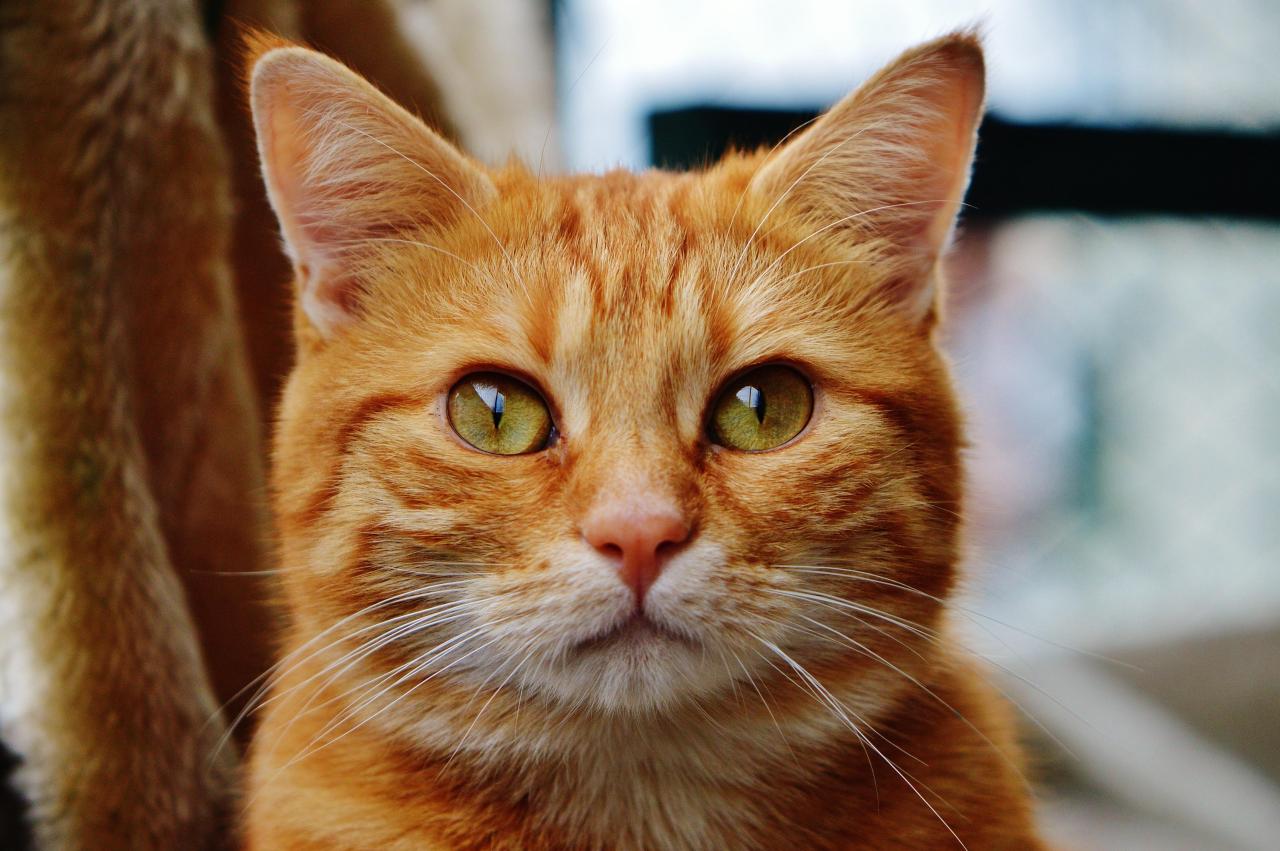
Boredom and lack of purpose are significant contributors to behavioral problems. Environmental enrichment is the deliberate act of structuring your pet’s world to encourage natural behaviors, problem-solving, and physical activity.
A. Cognitive Enrichment (Brain Games)
Using their minds is often more tiring—and satisfying—than physical exercise.
- A. Puzzle Feeders and Treat Dispensers: These toys force your pet to work for their food, mimicking the hunting/foraging behavior that dogs and cats naturally seek. Start easy and gradually increase the difficulty.
- B. Nose Work (Scent Games): Dogs are built to sniff. Hide high-value treats around a room or in a specialized snuffing mat and encourage your dog to “find it.” This activity is highly calming and mentally taxing.
- C. Training Sessions: Even 15 minutes of positive reinforcement training each day—teaching new tricks or practicing old ones—builds confidence and provides mental structure.
B. Physical and Environmental Enrichment
Structuring the living space to promote movement and choice.
- A. Vertical Space (for Cats): Cats feel safest when they can observe their territory from a high vantage point. Provide tall, sturdy cat trees, wall-mounted perches, or window sills with a good view. This satisfies their natural instinct to climb and patrol.
- B. Toy Rotation: Don’t leave all toys out all the time. Rotate them weekly to keep them feeling novel and exciting, maintaining your pet’s interest.
- C. Safe Chewing Outlets: For dogs, provide appropriate chew toys (like rubber Kongs or VOHC-approved chews) to satisfy their innate chewing instinct, which is a major stress reliever.
C. Sensory Enrichment
Introducing controlled, novel sensory input keeps their world interesting.
- A. Audio Input: Play calming music designed for pets or use white noise machines to mask sudden, stressful noises like traffic or loud neighbors.
- B. Olfactory Input: Let your dog sniff! Vary your walking route to expose them to new scents. For cats, safe scents like catnip or silvervine offer a stimulating experience.
- C. Digging and Foraging: For dogs that love to dig, create a designated safe digging spot in the yard (like a sandbox) to redirect their destructive behavior away from your flowerbeds.
Professional Support and Calming Tools
Sometimes, environmental and training adjustments aren’t enough. It’s important to know when to seek professional help and which tools can offer support.
A. The Role of the Veterinary Professional
Any sudden or severe change in behavior (aggression, fear, elimination problems) requires a full veterinary checkup first.
- A. Rule Out Medical Causes: Many behavioral issues are symptoms of underlying pain, neurological problems, or hormonal imbalances (e.g., inappropriate urination can signal a urinary tract infection). Your vet must rule out physical illness before behavioral therapy begins.
- B. Prescribe Medication: For severe anxiety or panic disorders, prescription anti-anxiety medications (like SSRIs or situational drugs) may be necessary to lower the pet’s baseline stress level, making them receptive to behavior modification training.
B. Behavioral Experts
If the issue is complex, seek a specialist:
- A. Certified Professional Dog Trainer (CPDT-KA): Excellent for basic obedience and addressing mild behavioral issues using positive reinforcement.
- B. Veterinary Behaviorist (DACVB): A veterinarian who has completed advanced residency training in animal behavior. They are qualified to diagnose and treat severe anxiety, fear, and aggression using a combined approach of medication and modification protocols.
C. Calming Supplements and Products
Use these as aids, not solitary solutions, and always consult your vet first.
- A. Pheromones: Synthetic pheromones (like Adaptil for dogs or Feliway for cats) mimic the calming, comforting scents naturally released by mother animals or happy pets. They come in diffusers, sprays, or collars.
- B. Natural Supplements: Ingredients like L-Theanine, L-Tryptophan, or hydrolyzed milk protein can promote relaxation. These are often used as situational support for travel or vet visits.
- C. Compression Wraps: Products like the Thundershirt apply gentle, constant pressure, which many pets find soothing, similar to swaddling a baby. They are often effective for noise phobias (e.g., thunderstorms or fireworks).
Conclusion
Nurturing your pet’s mental and emotional health is a profound responsibility that defines the depth of your bond. It requires moving past the superficial signs of a happy pet and learning to decode the subtle body language of stress, fear, and loneliness.
The truth is, a quiet dog or a withdrawn cat is not necessarily a content one; they may be silently struggling with anxiety or chronic boredom. By embracing a proactive approach, you become their guardian, addressing threats that are invisible to the naked eye.
The cornerstone of this guardianship is the commitment to environmental enrichment, transforming your home from a passive living space into a stimulating sanctuary.
Providing opportunities for cognitive enrichment through puzzle feeding, allowing the calming ritual of scent-based games, and structuring vertical spaces for your feline companions all contribute to a sense of purpose and control that combats boredom.
Furthermore, tackling critical behavioral challenges like separation anxiety demands dedication to systematic behavioral modification—dismantling anxiety triggers one calm departure and non-emotional arrival at a time.
And when life deals a difficult hand, such as the loss of a companion, maintaining a predictable routine becomes the emotional anchor that guides your grieving pet back toward stability.
Crucially, never hesitate to bring behavioral concerns to your veterinarian. Early symptoms often mask underlying medical issues, and complex conditions like severe anxiety require professional diagnosis and often a dual treatment plan that incorporates medication alongside expert behavioral modification.
By integrating daily mental engagement, building emotional predictability, and utilizing vet-recommended support tools, you are not just managing your pet’s behavior; you are ensuring their inner life is as joyful and well-balanced as their physical one.
This holistic commitment to their happiness is the truest expression of the love they return to you tenfold.