Maintaining a pristine level of hygiene for your canine companion is far more than just a matter of aesthetics or keeping your living room smelling fresh. For most dog owners, our pets are integral members of the family who share our couches, our beds, and our most intimate living spaces every single day. However, dogs are naturally adventurous creatures that spend their time exploring the world with their paws, noses, and mouths, often coming into contact with bacteria, allergens, and parasites. Without a structured daily hygiene routine, these invisible hitchhikers can quickly migrate from the park into your home, potentially causing health issues for both the pet and the human inhabitants.
A consistent cleaning ritual acts as the first line of defense against skin infections, dental diseases, and the general wear and tear that affects a dog’s physical well-being. Furthermore, the act of grooming and cleaning serves as a vital bonding time that allows you to inspect your pet for any unusual lumps, bumps, or injuries that might otherwise go unnoticed. As we navigate 2026, pet parents are becoming more aware that proactive care is significantly more effective and less expensive than reactive veterinary visits. By following a dedicated “Clean Paw Manifesto,” you are not just washing a pet; you are investing in a longer, happier, and healthier life for your best friend.
A. The Post-Walk Paw Sanitization Ritual
Every time your dog steps outside, their paws act like sponges for environmental contaminants ranging from simple dirt to harmful lawn chemicals and street grime. In urban environments, de-icing salts in winter or scorching asphalt in summer can cause micro-tears and chemical burns on sensitive paw pads.
A daily ritual of wiping down paws after every walk is the simplest way to keep your home clean and your dog healthy. You don’t need a full bath; a dedicated pet wipe or a damp microfiber cloth is usually enough to remove the day’s debris.
Keep a container of hypoallergenic, fragrance-free pet wipes right by the front door for immediate use.
Check between the toes for “foxtails,” small pebbles, or burrs that can lodge themselves deep into the skin.
Dry the paws thoroughly after wiping, as moisture trapped between the pads can lead to uncomfortable fungal or yeast infections.
Apply a small amount of pet-safe paw balm once a week to prevent cracking and maintain the elasticity of the pads.
Inspect the nails during this time to ensure they aren’t splintered or excessively long, which can alter your dog’s gait.
B. Mastering Dental Hygiene for Fresh Breath
Bad breath in dogs is often joked about, but it is actually a primary indicator of periodontal disease, which can lead to heart and kidney issues if left untreated. Plak and tartar build up on canine teeth just as they do on human teeth, requiring mechanical removal through regular brushing.
While many owners rely solely on dental chews, these are rarely enough to clean the gum line where the most dangerous bacteria reside. A daily thirty-second brushing session can add years to your dog’s life and save you thousands in professional veterinary dental cleanings.
A. Use a finger brush or a soft-bristled pet toothbrush that is specifically designed for the unique angles of a dog’s mouth.
B. Always use pet-specific toothpaste, as human toothpaste contains xylitol or fluoride, both of which are highly toxic to dogs.
C. Start slowly by letting your dog lick the paste off your finger before attempting to scrub their molars.
D. Focus on the outer surfaces of the teeth, as this is where the majority of tartar accumulation occurs.
E. Reward your dog with praise or a healthy treat afterward to create a positive association with the “dentist” routine.
C. Ear Care and Infection Prevention
Dogs with floppy ears, such as Spaniels or Retrievers, are particularly prone to ear infections because their ear canals are dark, warm, and moist. Moisture and wax buildup can create a breeding ground for yeast and bacteria, leading to painful inflammation and even hearing loss.
A quick daily or bi-weekly ear check is essential for early detection of issues. You are looking for redness, a strange odor (often described as smelling like corn chips), or excessive brown discharge.
Gently lift the ear flap and use a cotton ball dampened with a veterinarian-approved ear cleaner to wipe the visible part of the ear.
Never insert Q-tips or deep probes into the ear canal, as this can rupture the eardrum or push debris further in.
If your dog is shaking their head excessively or scratching at their ears, it is a sign that a professional checkup is needed.
Ensure that no water enters the ear canal during bath time by using cotton balls as temporary plugs.
Keep the hair around the ear opening trimmed to allow for better airflow and to reduce moisture retention.
D. Managing the Coat and Skin Micro-Climate
Brushing your dog’s coat daily is about more than just making them look shiny; it’s about managing the “micro-climate” of their skin. Regular brushing removes dead hair and dander, which reduces the amount of allergens circulating in your home.
It also stimulates the production of natural oils that keep the skin hydrated and the coat waterproof. Different breeds require different tools, so ensure you are using a brush that reaches the undercoat without scratching the skin.
A. Slicker brushes are ideal for removing mats and tangles in long-haired breeds.
B. Bristle brushes work well for short-haired dogs to remove surface dirt and distribute oils.
C. Undercoat rakes are necessary for “double-coated” breeds like Huskies or Shepherds during shedding season.
D. Always brush in the direction of hair growth to avoid causing discomfort or “brush burn” on the skin.
E. Use the brushing time to feel for “hot spots” or skin irritations that might indicate a food allergy or flea problem.
E. Eye Hygiene and Tear Stain Management
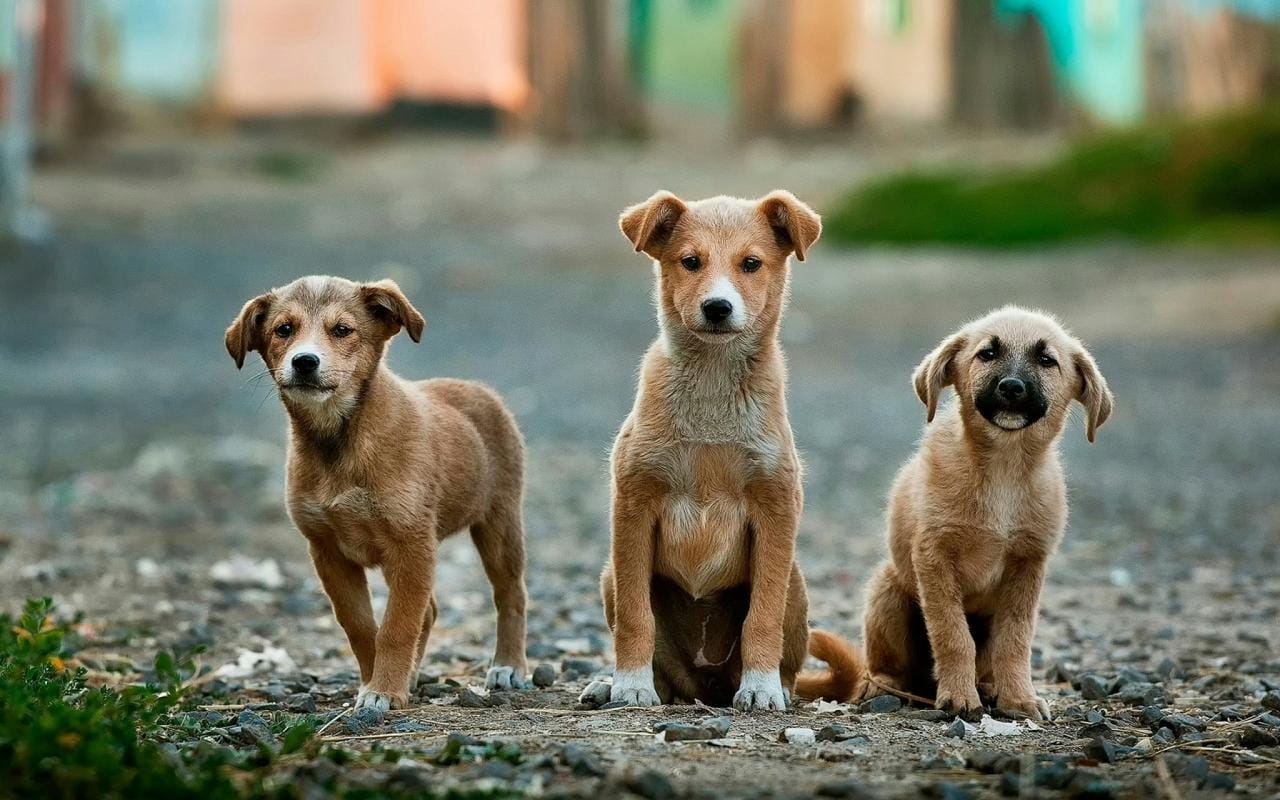
Many dogs, especially those with lighter coats or flat faces (brachycephalic breeds), suffer from excessive tearing that can lead to unsightly staining and skin irritation. If left sitting on the fur, these tears can become a playground for bacteria, leading to a foul smell and skin breakdown.
Cleaning the area around the eyes should be a gentle, daily task. Keeping the eyes clear of “sleep crust” and discharge prevents eye infections and keeps your dog looking alert and healthy.
Use a soft, lint-free cloth dipped in warm water to gently wipe away any discharge from the corners of the eyes.
Work from the inner corner outward, being careful not to touch the actual eyeball with the cloth.
Keep the hair around the eyes trimmed short to prevent it from poking the cornea and causing irritation.
If you notice squinting, cloudiness, or thick green discharge, seek veterinary attention immediately.
Specialized tear-stain removers are available, but always check the ingredients to ensure they are free of harsh chemicals or antibiotics.
F. The Science of the Periodic Bath
Contrary to popular belief, most dogs do not need a full bath every week. In fact, over-bathing can strip the skin of essential oils, leading to dryness, itching, and a dull coat. For most breeds, a bath once every four to six weeks is sufficient unless they have rolled in something particularly pungent.
When you do bathe your pet, the choice of products is critical. Dogs have a different skin pH than humans, so using your own shampoo can cause significant irritation.
A. Use lukewarm water, as water that is comfortable for you might be too hot for your dog’s sensitive skin.
B. Dilute the shampoo in a bottle of water first to ensure it spreads evenly and rinses out easily.
C. Pay extra attention to “hidden” areas like the armpits, the belly, and the base of the tail where dirt accumulates.
D. Rinse, rinse, and rinse again; dried soap residue is a leading cause of post-bath itching.
E. Use a high-velocity dryer or a super-absorbent towel to ensure the thick undercoat is completely dry to prevent “wet dog” smell.
G. Sanitary Trims and Rear-End Hygiene
It isn’t the most glamorous part of pet ownership, but maintaining “sanitary hygiene” is crucial for your dog’s comfort. Long hair around the hindquarters can trap fecal matter and urine, which is not only unhygienic for your home but can also cause painful skin infections for the dog.
A “sanitary trim” involves keeping the hair short around the tail base and the belly. This keeps the area clean and reduces the frequency of full baths needed for long-haired breeds.
Use safety shears or electric clippers with a guard to carefully trim the fur in the “potty areas.”
Keep a pack of fragrance-free wipes specifically for the rear end to use after walks if necessary.
Check the anal glands; if your dog is “scooting” on the carpet, it may mean their glands need professional expression.
Watch for signs of “tail fold dermatitis” in breeds with corkscrew tails, like Bulldogs or Pugs.
Maintaining a high-fiber diet can help keep bowel movements firm, which naturally aids in keeping the area cleaner.
H. Tailoring Hygiene to Your Dog’s Breed
A Great Dane and a Chihuahua have very different hygiene requirements. Understanding your breed’s specific needs allows you to spend your time on the rituals that matter most. For example, wrinkly breeds like Bloodhounds or Pugs require “wrinkle wipes” to prevent bacteria from growing in their skin folds.
Water-loving breeds may need more frequent ear cleanings, while white-coated dogs may need more attention on their tear stains. Researching your breed’s predispositions helps you catch hygiene-related issues before they become medical emergencies.
A. Brachycephalic (flat-faced) breeds need daily facial fold cleaning to prevent yeast infections.
B. Double-coated breeds require intensive de-shedding but should almost never be shaved, as their coat protects them from heat.
C. Hairless breeds need sunscreen and specialized skin moisturizers to prevent sunburn and acne.
D. Working breeds that spend time in tall grass need a daily tick-check ritual after every outdoor excursion.
E. Senior dogs may need more help with hygiene as they lose the mobility to groom themselves effectively.
I. Environmental Hygiene: Cleaning Your Dog’s Gear
The final ritual in the Clean Paw Manifesto isn’t about the dog itself, but the things the dog uses. Bowls, beds, and toys are magnets for bacteria and drool. If you clean your dog but they sleep in a filthy bed, the hygiene cycle is broken.
Wash your dog’s bedding in hot water with pet-safe detergent at least once a week. Plastic toys should be scrubbed with soap, and plush toys can often go in the washing machine. This reduces the overall “bacterial load” in your household environment.
Wash food and water bowls daily to prevent the formation of “biofilm,” a slimy layer of bacteria.
Rotate toys every few days and sanitize the ones that are not in use to kill any lingering germs.
Clean leashes and collars monthly, as these absorb a surprising amount of neck oils and outdoor dirt.
Vacuum your home frequently with a HEPA-filter vacuum to capture dander and microscopic parasites.
Use an enzymatic cleaner for any “accidents” in the house to completely break down odors and prevent repeat marking.
Conclusion
A consistent hygiene routine is the foundation of a healthy and harmonious life with your canine companion.
You don’t need to spend hours every day grooming, but these small rituals make a massive difference over time.
Your dog relies on you to manage the aspects of their health that they simply cannot handle alone.
From the tips of their ears to the pads of their paws, every inch of your dog deserves mindful attention.
Fresh breath and a clean coat are not just luxuries; they are signs of a well-cared-for and happy pet.
The bonding that happens during these cleaning sessions is an invaluable part of your relationship.
By preventing infections and dental disease now, you are saving yourself from heartache and high costs in the future.
A clean dog is a welcome guest in every room of your house and a joy to be around for everyone.
Embrace the “Clean Paw Manifesto” as a daily act of love and commitment to your furry family member.
The effort you put in today will be repaid with years of wagging tails and healthy, happy memories.
Make hygiene a non-negotiable part of your daily walk and cuddle routine starting right now.