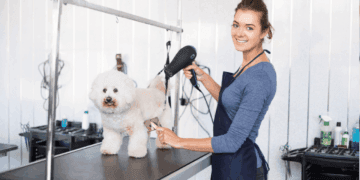
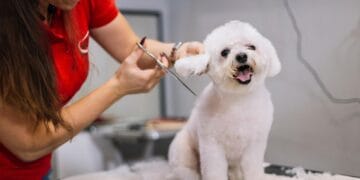
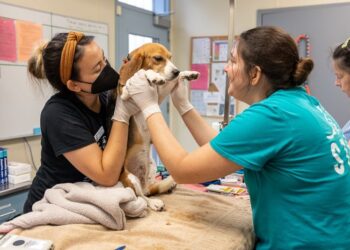
Grooming is an indispensable aspect of preventative pet care, and the smallest, most sensitive areas—the eyes and ears—demand the highest degree of vigilance and gentle maintenance to safeguard your pet’s comfort and health.
These delicate sensory organs are highly susceptible to foreign debris, bacterial infections, and chronic inflammation, often hidden from casual view until a serious problem, like a painful ear infection or a potentially sight-threatening eye condition, becomes apparent.
Regular, proactive care, which includes safely flushing the unique L-shaped ear canal and gently cleaning away discharge from the eyes, is the most effective defense against recurrent issues that can severely diminish your companion’s quality of life.
This guide demystifies the safe, veterinarian-approved techniques for performing essential eye and ear hygiene at home, empowering you to detect early warning signs and know precisely when that persistent head shake or suddenly cloudy eye warrants immediate professional attention.
Decoding the Ear and Preventing Infection
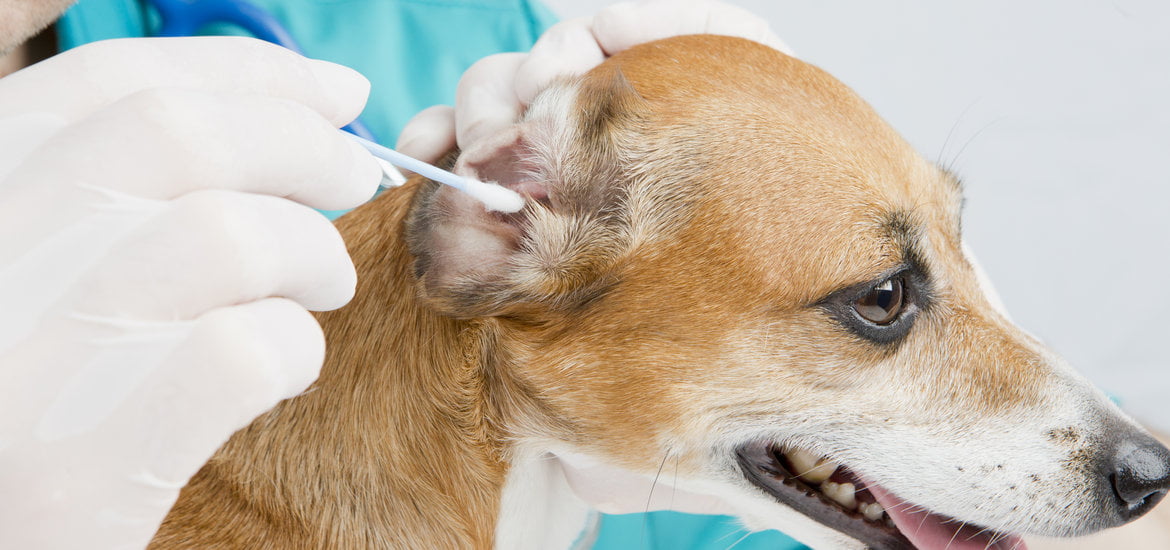
The unique anatomy of a dog or cat’s ear canal makes it highly prone to trapping moisture, debris, and microorganisms.
A. Ear Anatomy and Risk Factors
- A. A pet’s ear canal is shaped like a vertical “L”, making it difficult for fluid and debris to escape naturally.
- B. This deep, moist, dark environment is a perfect breeding ground for yeast and bacteria, leading to painful infections (otitis externa).
- C. Floppy-eared dogs (like Beagles and Cocker Spaniels) are at the highest risk because the ear flap blocks airflow, trapping heat and moisture.
- D. Other major risk factors include allergies (food and environmental), excessive hair growth inside the canal (common in Poodles), and frequent swimming.
- E. Regular inspection and cleaning are necessary to manage the internal environment of the ear and reduce the risk of inflammation.
B. Signs of Ear Trouble
- A. A healthy ear is clean, pale pink, free of odor, and should not be painful to the touch.
- B. Head shaking or excessive scratching at the ears is the most common early sign of irritation or infection.
- C. Foul odor, redness, swelling, or heat emanating from the ear flap or canal suggests bacterial or yeast infection.
- D. The presence of dark, waxy, or black, crusty debris resembling coffee grounds is a classic sign of ear mites, especially in kittens.
- E. Tilting the head persistently, difficulty balancing, or walking in circles can indicate a severe, deep-seated middle ear infection (otitis media).
C. The Safe, Step-by-Step Cleaning Method
- A. Always use a veterinarian-approved liquid ear cleaning solution designed specifically for pets; never use water, hydrogen peroxide, or alcohol, which can cause severe irritation.
- B. Position your pet calmly on your lap or between your legs, speaking in soft, reassuring tones.
- C. Gently grasp the ear flap (pinna) and pull it upward to help straighten the L-shaped ear canal.
- D. Fill the ear canal completely with the cleaning solution, taking care not to touch the tip of the bottle to the ear to avoid contamination.
- E. Gently massage the base of the ear near the head for 30 seconds, which creates a “squishing” sound as the solution breaks up wax deep inside the canal.
- F. Allow your pet to shake their head, which helps propel the dissolved debris and excess solution out of the deep canal (stand clear, as this can be messy).
- G. Use a cotton ball or soft gauze to wipe away visible debris and excess fluid from the inner flap and the entrance of the canal.
- H. NEVER insert a cotton-tipped swab (Q-tip) deep into the ear canal, as this risks pushing debris deeper or causing painful damage to the eardrum.
Eye Care and Recognizing Ocular Emergencies
Your pet’s eyes are sensitive, complex structures that require daily attention and prompt intervention if signs of distress appear.
A. Daily Care and Preventing Tearing
- A. Tear Staining is common, particularly in brachycephalic (flat-faced) breeds like Pugs, Bulldogs, and Persians, due to shallow eye sockets and excessive tearing (epiphora).
- B. Daily, gently wipe away any crust, moisture, or discharge around the eyes using a soft, damp cloth or a dedicated pet eye wipe, always moving away from the eye.
- C. Keeping the fur around the eyes trimmed (using specialized, round-tipped scissors) prevents long hairs from rubbing the cornea and causing irritation.
- D. Ensure the skin folds around the eyes and nose (in wrinkled breeds) are kept clean and dry to prevent bacterial or yeast buildup in the moist crevices.
B. Normal vs. Abnormal Discharge
- A. Normal eyes may have a small amount of clear, watery discharge or harmless brown crust (sleep residue) upon waking, which should be easily wiped away.
- B. Red Flag Discharge: Any discharge that is thick, yellow, green, or copious is often a sign of an infection (like conjunctivitis or “pink eye”), a foreign body, or an underlying illness.
- C. Persistent cloudiness or a bluish-white film over the clear part of the eye (cornea) is highly abnormal and warrants immediate veterinary investigation.
C. Recognizing Ocular Emergencies
- A. Glaucoma is an acute emergency caused by increased pressure within the eye, leading to rapid, painful blindness; symptoms include a bulging appearance, fixed/dilated pupil, and visible pain.
- B. Corneal Ulcers are scratches or erosions on the surface of the eye, causing severe pain; the pet will exhibit intense squinting, excessive tearing, and rubbing the face.
- C. Cherry Eye occurs when the gland of the third eyelid prolapses, appearing as a small, round, red mass in the inner corner of the eye.
- D. Immediate veterinary care is required for any sudden blindness, severe pain, visible foreign objects, or rapid swelling of the eye, as timely intervention can save the pet’s vision.
The Prevention and Management Strategy
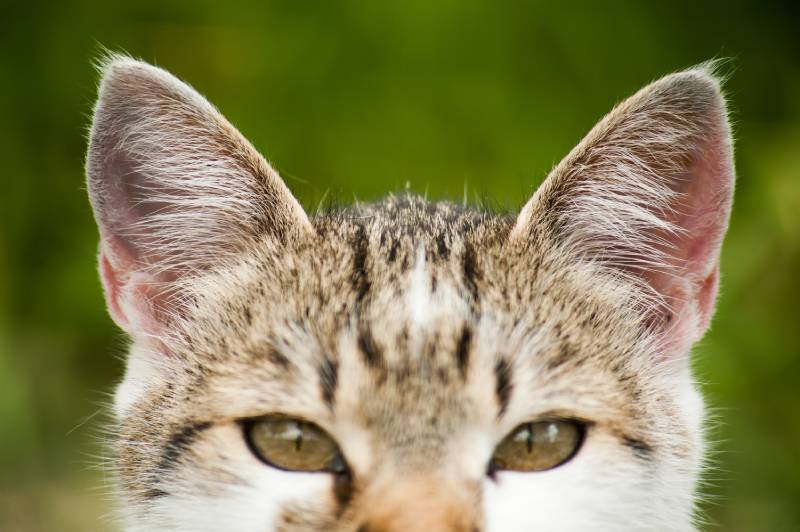
Proactive, consistent care based on your pet’s specific needs is the best way to avoid chronic eye and ear issues.
A. The Post-Water Protocol
- A. Moisture is the enemy of ear health, so immediately address water exposure.
- B. After bathing or swimming, thoroughly dry the ear flaps with a towel, and apply a veterinarian-approved drying solution into the ear canal to help evaporate residual moisture.
- C. For pets highly prone to infection, consider using pet-specific ear protection plugs during baths.
B. Underlying Health Management
- A. Many chronic ear infections are symptoms of underlying allergies (food or environmental) that cause internal inflammation, leading to microbial overgrowth.
- B. Work closely with your veterinarian to diagnose and manage any allergies through specialized diets, medication, or environmental control, which often resolves ear issues.
- C. Ensure regular parasite prevention is up-to-date, as the inflammation from flea or tick bites can contribute to skin and ear irritation.
C. Breeds Requiring Specialized Care
- A. Dogs with thick hair inside the ear canal (like Poodles and Schnauzers) often need the hair plucking or trimmed by a groomer to improve ventilation.
- B. Brachycephalic breeds require daily cleaning of facial folds and tear-stained areas with vet-approved wipes to prevent bacterial overgrowth that leads to chronic skin irritation.
- C. Always handle sensitive areas with positive reinforcement, pairing ear and eye inspection with high-value treats to make the experience low-stress and predictable.
Conclusion
The dedicated practice of gentle eye and ear care is vital, acting as an essential, proactive shield against painful, recurrent infections and sight-threatening conditions.
Owners must respect the unique, L-shaped anatomy of the pet’s ear, understanding that trapped moisture is the primary antecedent for painful bacterial and yeast overgrowth, particularly in floppy-eared breeds.
Safe cleaning requires filling the canal with a veterinarian-approved solution and gently massaging the base of the ear to dislodge wax, always avoiding the use of cotton swabs deep inside the canal.
Vigilance is paramount, as early signs like excessive head shaking, a foul odor, or dark, coffee-ground-like discharge (indicating mites) necessitate immediate professional diagnosis and treatment.
For the eyes, daily, gentle cleaning is necessary to manage discharge and prevent tear staining, which can lead to bacterial growth in moist facial folds.
Any sudden changes—such as thick yellow or green discharge, persistent squinting, cloudiness, or a bulging appearance—must be treated as an ocular emergency requiring prompt veterinary intervention.
By committing to a consistent, fear-free routine of inspection and gentle maintenance, and quickly addressing signs of discomfort, owners ensure their companions maintain optimal sensory health, safeguarding both their hearing and their vision for a full, comfortable, and active life.